
Table of contents
The internal structure of plywood determines how it performs under real conditions. When buyers evaluate quality, they often focus on surface appearance, but the most important factor lies inside the panel. Understanding birch plywood core construction helps manufacturers and importers make better material decisions.
This article explains how birch plywood is built from the inside out, and why its layered construction gives it superior strength, stability, and reliability compared to many other panel materials.
What Is Core Construction in Birch Plywood?
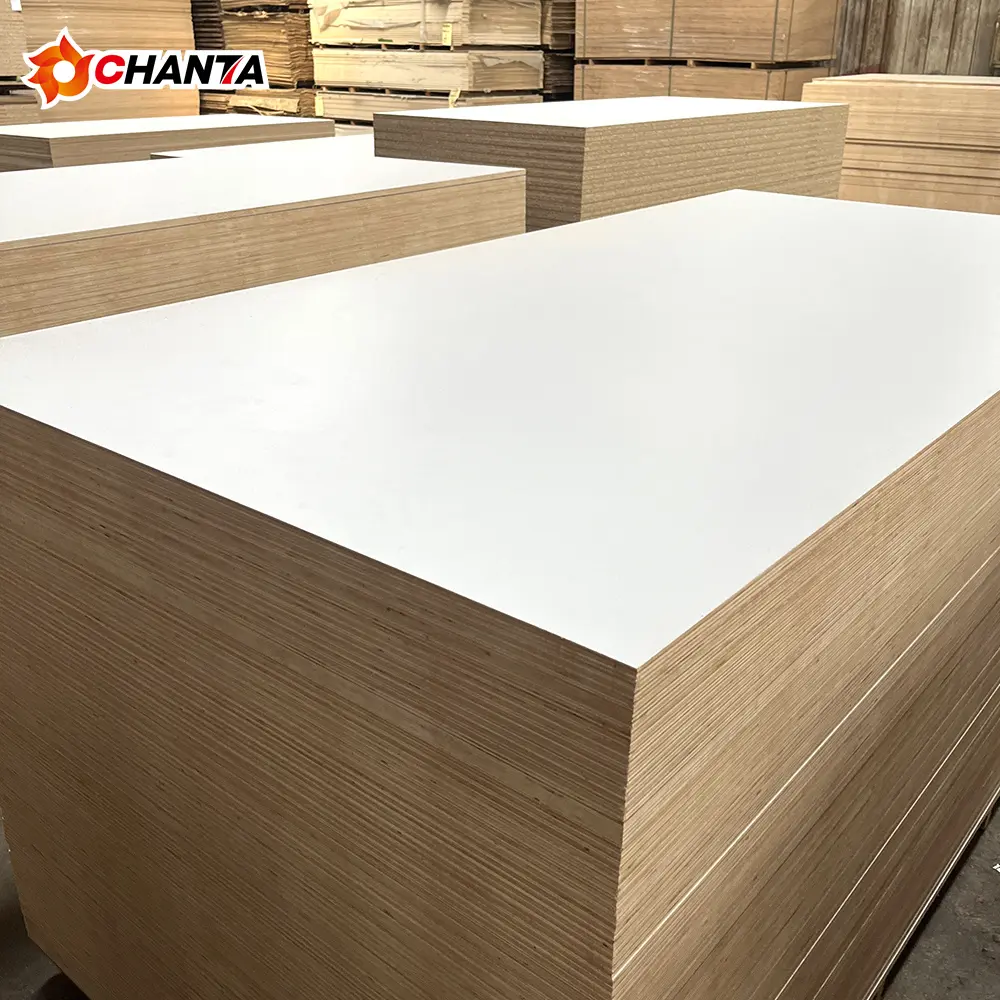
Core construction refers to the arrangement of internal veneer layers inside the plywood panel. Each layer is placed with its grain direction perpendicular to the next, creating a cross-laminated structure.
This design distributes stress evenly across the panel and reduces the risk of warping, cracking, or bending. Unlike solid wood, which expands and contracts along the grain, birch plywood remains stable under changing conditions.
Layer Structure and Composition
Birch plywood typically consists of multiple thin veneer layers. The number of layers increases with panel thickness, and each layer contributes to overall strength.
| Thickness | Typical Number of Layers | Core Type |
|---|---|---|
| 12mm | 7–9 layers | Birch core |
| 18mm | 11–13 layers | Birch core or mixed core |
| 24mm | 13–15 layers | Full birch core |
More layers generally mean better strength and more uniform performance. Thin, evenly distributed veneers create a balanced structure that resists internal stress.
Full Birch Core vs Mixed Core
Not all birch plywood panels use the same internal materials. Some use full birch veneers throughout, while others combine birch faces with mixed hardwood or softwood cores.
| Core Type | Characteristics | Typical Use |
|---|---|---|
| Full Birch Core Plywood | High density, uniform strength | Furniture, CNC, high-end applications |
| Mixed Core Plywood | Lower cost, variable density | General construction |
Full birch core panels offer superior consistency and strength. Mixed core panels reduce cost but may introduce variation in density and performance.
Bonding and Glue Distribution
Glue bonding plays a critical role in core construction. Each veneer layer must bond securely to maintain structural integrity.
Manufacturers use different glue types depending on application:
- Interior glue for dry environments
- WBP glue for moisture resistance
Even glue distribution ensures strong adhesion across the entire panel. Poor bonding can lead to delamination and structural failure.
Impact on Strength and Stability
Core construction directly affects how birch plywood performs under load. A well-constructed panel distributes stress across multiple layers, reducing pressure on any single point.
This results in:
- higher bending resistance
- improved load capacity
- reduced warping over time
- greater dimensional stability
These properties make birch plywood suitable for precision applications such as furniture manufacturing and CNC machining.
Common Core Defects to Watch For
Not all plywood meets high standards. Buyers should be aware of potential defects inside the core structure:
- voids between layers
- uneven veneer thickness
- poor glue bonding
- inconsistent density
These defects reduce strength and can cause failure during machining or long-term use.
Why Core Construction Matters for Buyers
For wholesale buyers and manufacturers, understanding core construction helps avoid costly mistakes. Panels with weak internal structure may look acceptable on the surface but fail during production or use.
Evaluating core quality ensures:
- consistent machining performance
- reliable structural strength
- lower defect rates
- longer product lifespan
This knowledge allows buyers to compare suppliers based on real performance rather than price alone.
Final Thoughts
Birch plywood core construction defines the material’s true value. The layered structure, bonding quality, and core composition all contribute to strength, stability, and long-term performance.
Buyers who understand how birch plywood is built can make more informed purchasing decisions and ensure reliable results in manufacturing and construction applications.








2 Comments