
Table of contents
Not every project requires thick and heavy panels. In many cases, 12mm birch plywood offers a more efficient solution by balancing strength, flexibility, and weight. It is widely used in applications where structural demands are moderate but precision and consistency still matter.
Understanding when to use 12mm birch plywood helps manufacturers and designers optimize both performance and cost. This guide explains its key characteristics, typical applications, and how it compares to thicker alternatives.
What Defines 12mm Birch Plywood
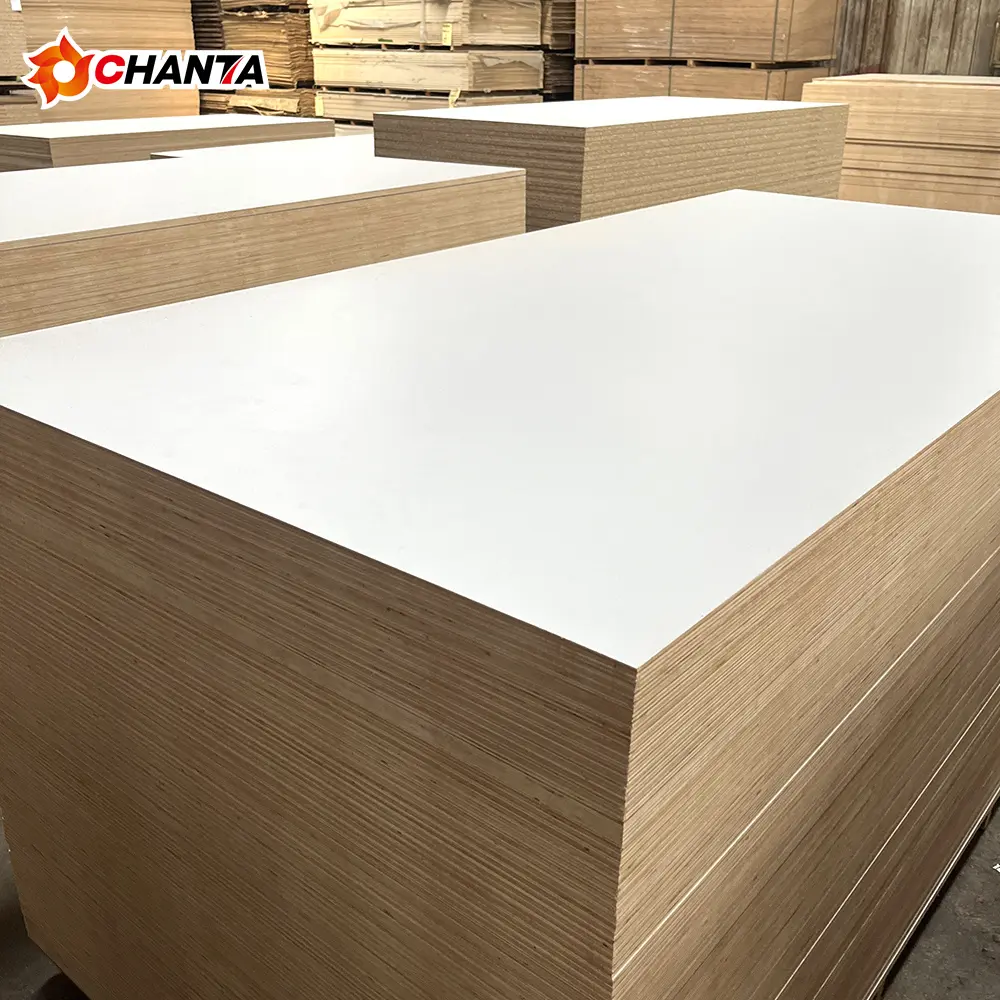
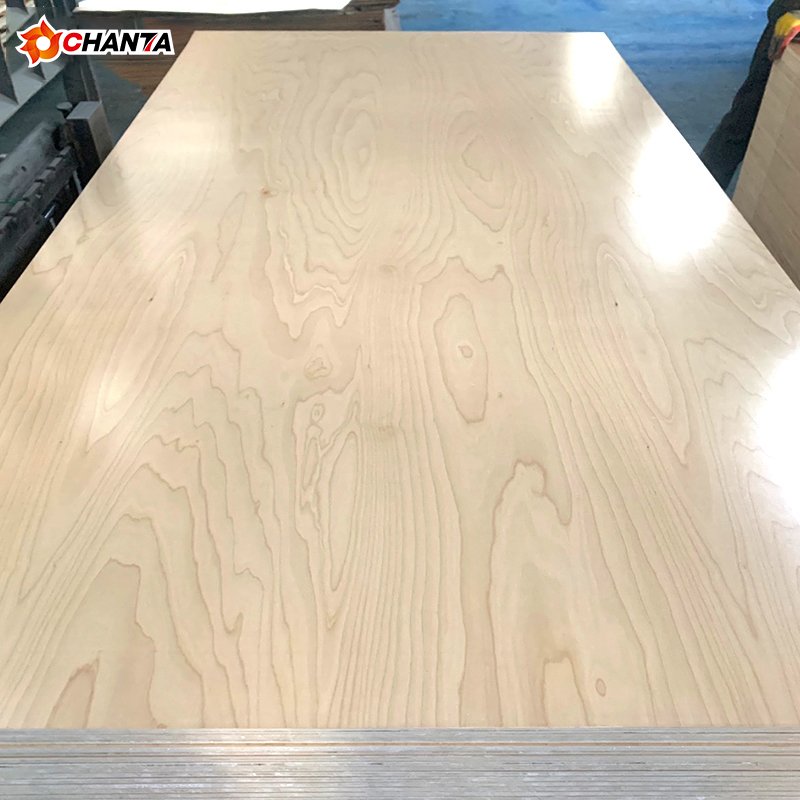
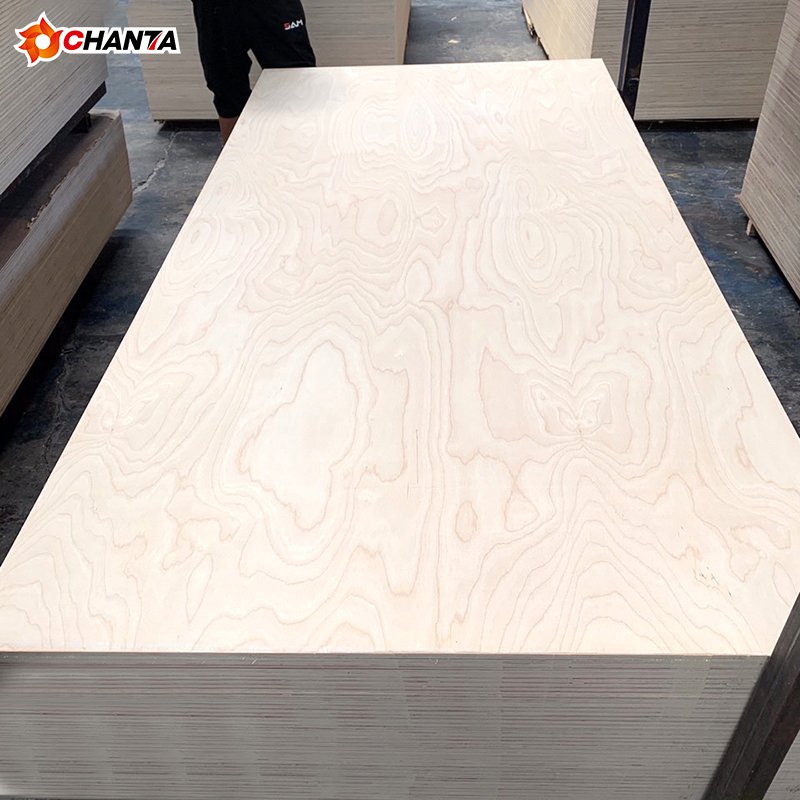
12mm birch plywood is considered a medium-light panel thickness. It typically consists of multiple thin veneer layers arranged in a cross-grain structure, providing stability and resistance to deformation.
Although thinner than 18mm panels, it still maintains the core advantages of birch plywood:
- uniform density
- good dimensional stability
- clean machining performance
This makes it suitable for precision applications where weight and flexibility are important.
Weight and Handling Advantages
One of the main benefits of 12mm birch plywood is its reduced weight compared to thicker panels. This improves handling, transportation, and installation efficiency.
| Specification | Value |
|---|---|
| Thickness | 12mm |
| Standard Size | 1220 x 2440 mm (4×8) |
| Approx Weight | 18 – 22 kg per sheet |
This lighter weight reduces labor effort and makes it easier to process in workshops and factories.
Strength and Suitable Load Conditions
While 12mm birch plywood does not match the load capacity of thicker panels, it still provides reliable performance for medium-duty applications.
It is suitable for:
- vertical cabinet panels
- drawer components
- back panels and partitions
- decorative structures
For long spans or heavy loads, additional support or thicker panels may be required.
Best Applications for 12mm Birch Plywood
This thickness is commonly used in projects where weight reduction and ease of handling are priorities.
Typical applications include:
- cabinet interiors
- drawer boxes
- wall paneling
- light furniture components
- modular furniture systems
Its versatility allows manufacturers to use it alongside thicker panels in the same project.
Machining and Processing Performance
12mm birch plywood performs well in CNC cutting and precision machining. Its thinner profile allows faster cutting speeds and reduced tool resistance.
Manufacturers benefit from:
- clean edge cutting
- accurate drilling
- reduced machining time
This makes it suitable for high-efficiency production environments.
Comparison with 18mm Birch Plywood
| Feature | 12mm Birch Plywood | 18mm Birch Plywood |
|---|---|---|
| Weight | Lower | Higher |
| Strength | Moderate | High |
| Best Use | Light structures | Structural components |
| Handling | Easier | Heavier |
Choosing between these two thicknesses depends on the specific requirements of the project.
Cost Efficiency in Production
12mm birch plywood typically costs less than thicker panels, making it an economical choice for applications that do not require maximum strength.
Using the correct thickness prevents over-specification, which helps reduce material costs without sacrificing performance.
Key Considerations Before Buying
When sourcing 12mm birch plywood, buyers should verify:
- thickness accuracy
- core consistency
- surface quality
- bonding strength
Consistency across batches is especially important for large-scale production.
Final Thoughts
12mm birch plywood offers a practical solution for applications where weight, flexibility, and efficiency matter more than maximum load capacity. It complements thicker panels and allows manufacturers to optimize both performance and cost.
Choosing the right thickness ensures better design outcomes and more efficient production processes.








2 Comments