
Table of contents
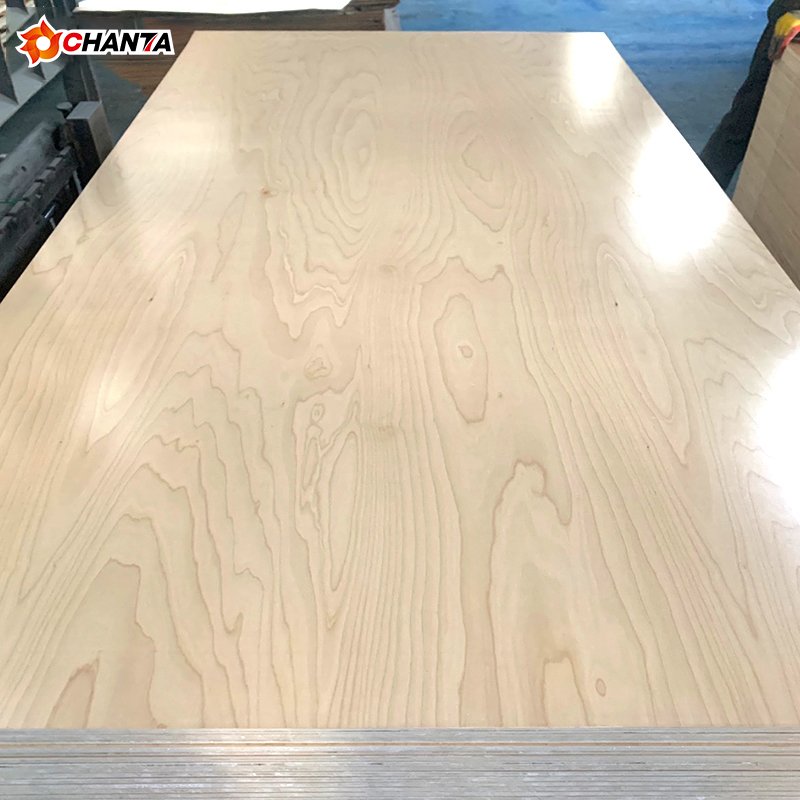
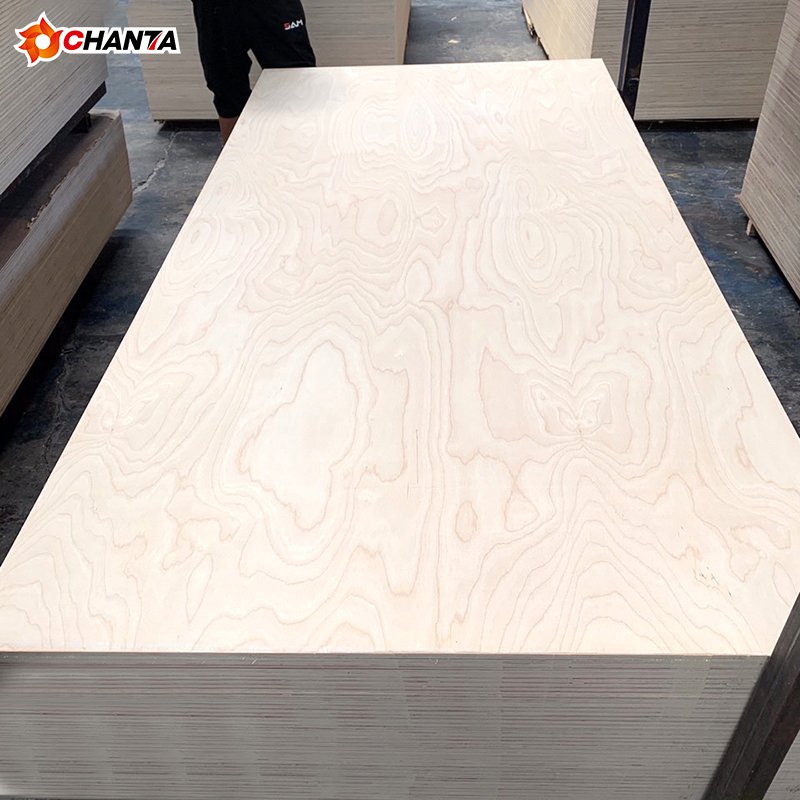
The birch plywood 4×8 sheet is the most widely used panel size in global furniture manufacturing and construction. Its standard dimensions make it compatible with CNC machinery, modular design systems, and international logistics. For buyers, understanding this format is essential for efficient sourcing and production planning.
This guide explains why 4×8 sheets dominate the market, what specifications matter, and how to choose the right birch plywood for your application.
What Does 4×8 Mean in Birch Plywood?
A 4×8 sheet refers to a panel measuring 4 feet by 8 feet (1220mm x 2440mm). This size has become the global standard due to its compatibility with machinery and ease of transportation.
Manufacturers design production lines around this format, which allows:
- efficient cutting and processing
- optimized container loading
- standardized product design
Because of this standardization, most furniture and cabinetry systems are built using 4×8 sheets as the base material.
Common Thickness Options for 4×8 Sheets
While the length and width remain fixed, thickness varies depending on application. Choosing the correct thickness is critical for performance and cost control.
| Thickness | Typical Application |
|---|---|
| 12mm | Cabinet panels, drawer components |
| 15mm | Light structural furniture |
| 18mm | Cabinets, shelving, furniture frames |
| 24mm | Heavy-duty furniture and structural use |
Among these options, 18mm birch plywood 4×8 sheets are the most commonly used in furniture manufacturing.
Weight of Birch Plywood 4×8 Sheets
Weight plays an important role in transportation, handling, and structural design. Birch plywood is denser than many alternative materials, which contributes to its strength.
| Thickness | Approx Weight per Sheet |
|---|---|
| 12mm | 18 – 22 kg |
| 18mm | 25 – 32 kg |
| 24mm | 32 – 40 kg |
This higher weight reflects the dense hardwood structure, which improves durability and load-bearing capacity.
Applications of Birch Plywood 4×8 Sheets
The versatility of 4×8 sheets allows them to be used across multiple industries. Their standard size simplifies design and reduces material waste.
Common applications include:
- kitchen cabinets and wardrobes
- office furniture and desks
- retail display units
- CNC-cut furniture components
- interior wall panels
Because of its consistent dimensions, the 4×8 format integrates easily into modern production systems.
Advantages of Standard 4×8 Format
Using standard sheet sizes offers several practical benefits for manufacturers and buyers:
- reduced cutting waste
- faster production workflow
- simplified design calculations
- efficient bulk transportation
These advantages make 4×8 sheets the preferred choice for large-scale manufacturing.
Things to Check Before Buying in Bulk
When purchasing birch plywood 4×8 sheets in bulk, buyers should verify key specifications to ensure consistency:
- thickness tolerance accuracy
- panel flatness
- core construction quality
- surface grading standards
Inconsistent specifications can lead to production delays and increased waste.
Bulk Supply and Logistics Considerations
The 4×8 format is optimized for container shipping. Standard containers can hold a large number of sheets efficiently, reducing freight cost per unit.
Proper packaging is essential to protect panels from moisture and edge damage during transit.
Buyers working with experienced suppliers can achieve better loading efficiency and reduced shipping risks.
Final Thoughts
Birch plywood 4×8 sheets remain the global standard because they combine efficiency, compatibility, and versatility. Their fixed dimensions simplify manufacturing while offering flexibility across different applications.
For buyers and manufacturers, understanding specifications such as thickness, weight, and quality ensures better purchasing decisions and more stable production outcomes.








3 Comments