Table of contents
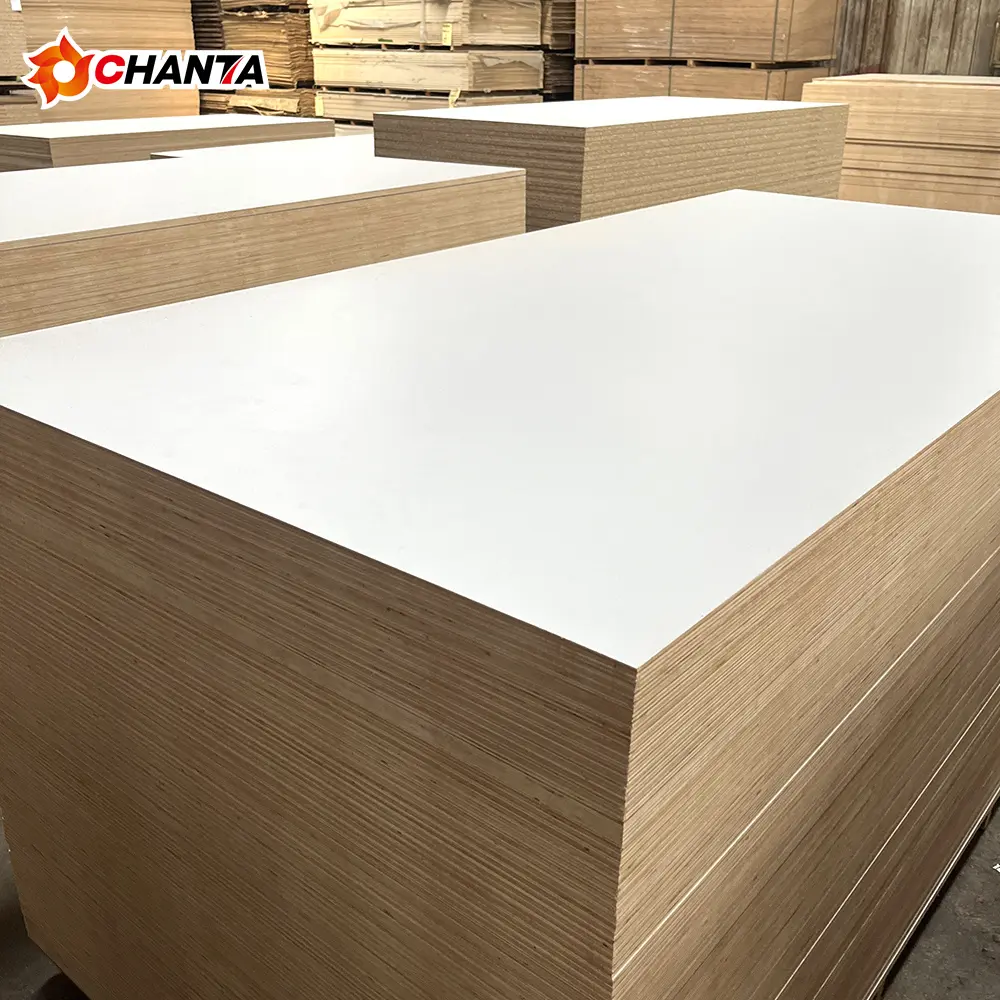
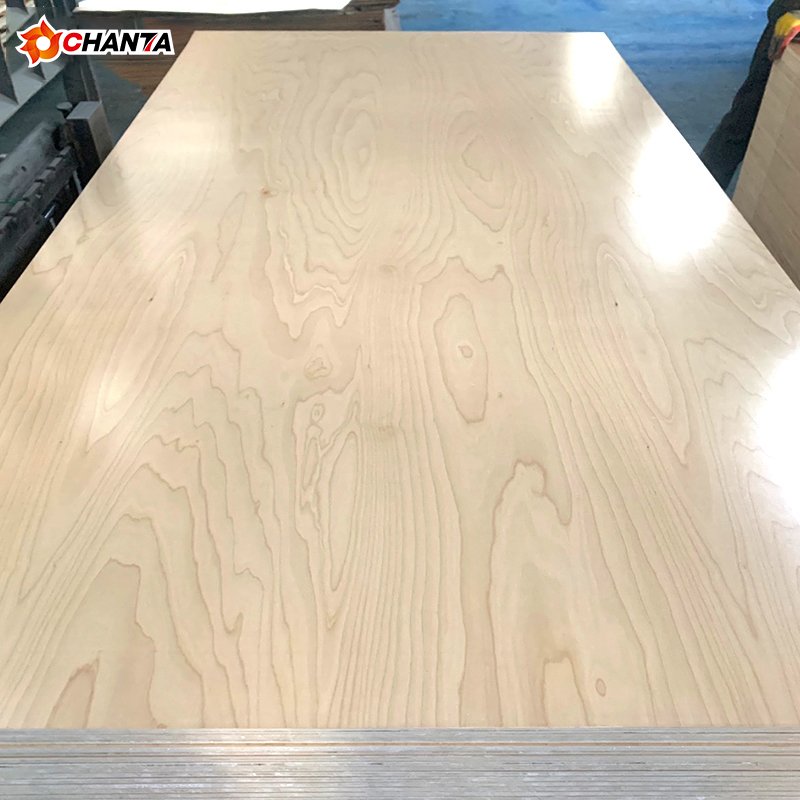
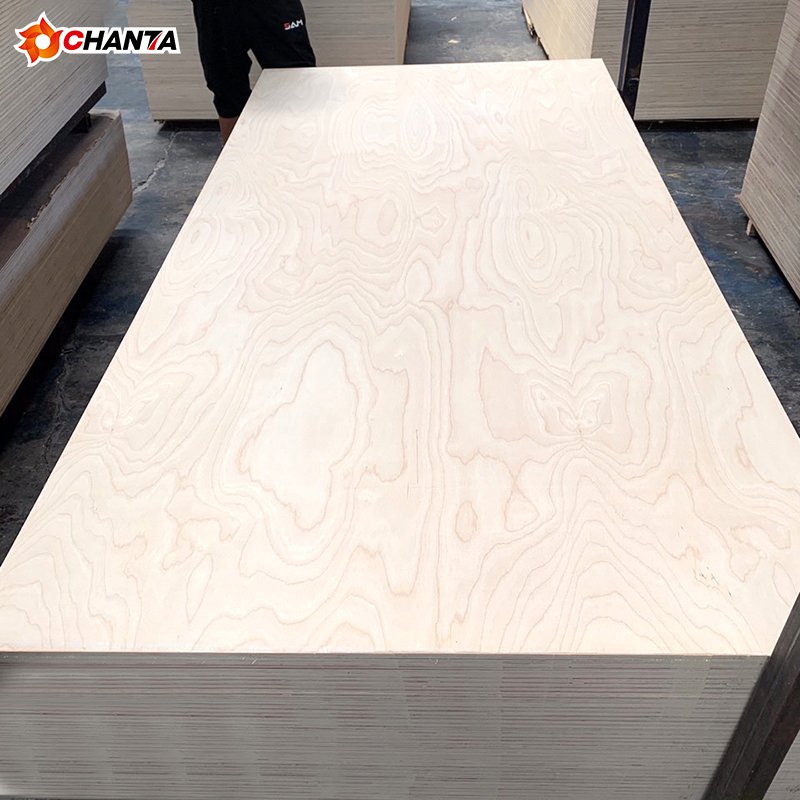
Among all thickness options, 18mm birch plywood has become the industry standard for furniture manufacturing and cabinetry. It offers a balance between strength, weight, workability, and cost that few other panel sizes can match.
Whether used in cabinets, shelving systems, or structural furniture components, 18mm birch plywood delivers reliable performance across a wide range of applications. This article explains why this thickness dominates the market and how buyers can choose the right specification.
What Makes 18mm Birch Plywood the Standard
Thickness plays a critical role in panel performance. At 18mm, birch plywood reaches a point where it provides sufficient structural strength without becoming excessively heavy or difficult to handle.
Manufacturers prefer this thickness because it:
- supports heavy loads without sagging
- maintains dimensional stability
- works efficiently with standard hardware
- fits most furniture design systems
This combination makes 18mm the most practical option for large-scale production.
Weight and Handling Characteristics
Weight is an important factor for both transportation and installation. 18mm birch plywood offers a manageable balance between density and usability.
| Specification | Value |
|---|---|
| Thickness | 18mm |
| Standard Size | 1220 x 2440 mm (4×8) |
| Approx Weight | 25 – 32 kg per sheet |
While heavier than softwood plywood, this weight contributes to improved strength and durability. For most applications, it remains practical for manual handling and machining.
Strength and Load-Bearing Performance
One of the main reasons for the popularity of 18mm birch plywood is its structural performance. The multi-layer construction distributes stress evenly across the panel.
This allows it to:
- support heavy cabinet loads
- resist bending in shelves
- maintain stability in large panels
Compared to thinner panels, 18mm provides significantly better rigidity without requiring additional reinforcement.
Applications in Furniture and Cabinetry
18mm birch plywood is widely used across different furniture categories. Its versatility allows manufacturers to standardize production around a single thickness.
Typical applications include:
- kitchen cabinets and carcasses
- wardrobes and storage units
- bookshelves and display units
- office desks and furniture frames
Because it fits standard hardware dimensions, assembly becomes faster and more consistent.
Machining and CNC Performance
Modern furniture production relies heavily on CNC machines. 18mm birch plywood performs well in automated cutting and drilling processes.
Its uniform density ensures:
- clean cutting edges
- reduced splintering
- accurate machining tolerances
This consistency improves production efficiency and reduces material waste.
Cost vs Performance Balance
Although thicker panels increase material cost, 18mm birch plywood often provides better overall value compared to thinner or weaker alternatives.
It reduces:
- product failure rates
- assembly issues
- long-term maintenance costs
For manufacturers, this balance between cost and performance makes it a reliable choice for both mid-range and high-end products.
What to Check When Buying 18mm Birch Plywood
Not all 18mm panels are equal. Buyers should verify key specifications before placing bulk orders:
- actual thickness tolerance
- core construction quality
- surface grading
- bonding strength
These factors directly affect performance and production efficiency.
Final Thoughts
18mm birch plywood has become the preferred thickness because it offers a practical balance of strength, stability, and usability. It meets the demands of modern furniture manufacturing while remaining efficient to process and transport.
For buyers seeking consistent performance and long-term reliability, 18mm birch plywood remains one of the most dependable choices available.