Table of contents
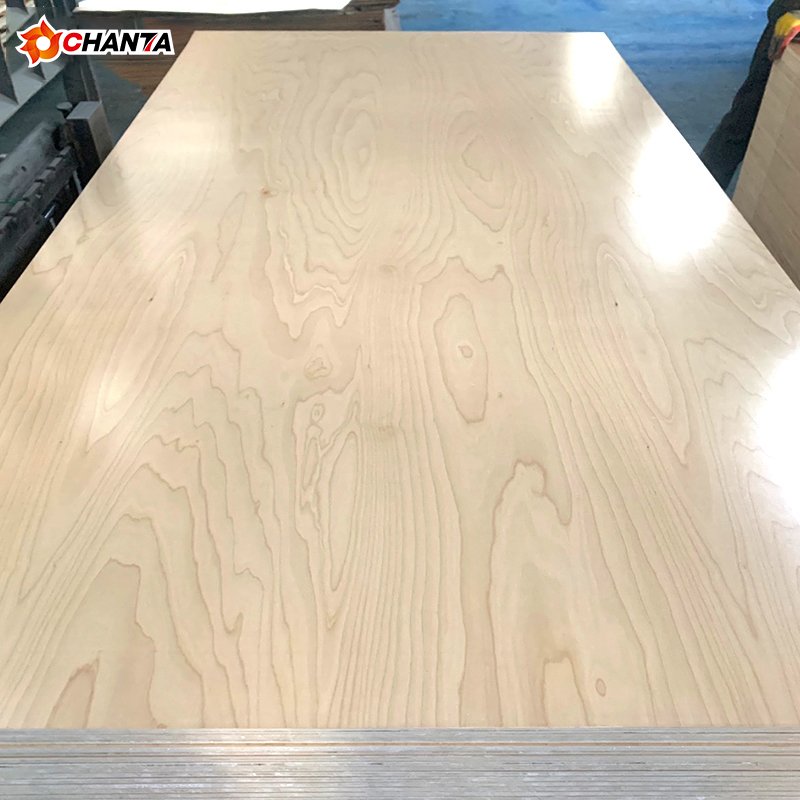
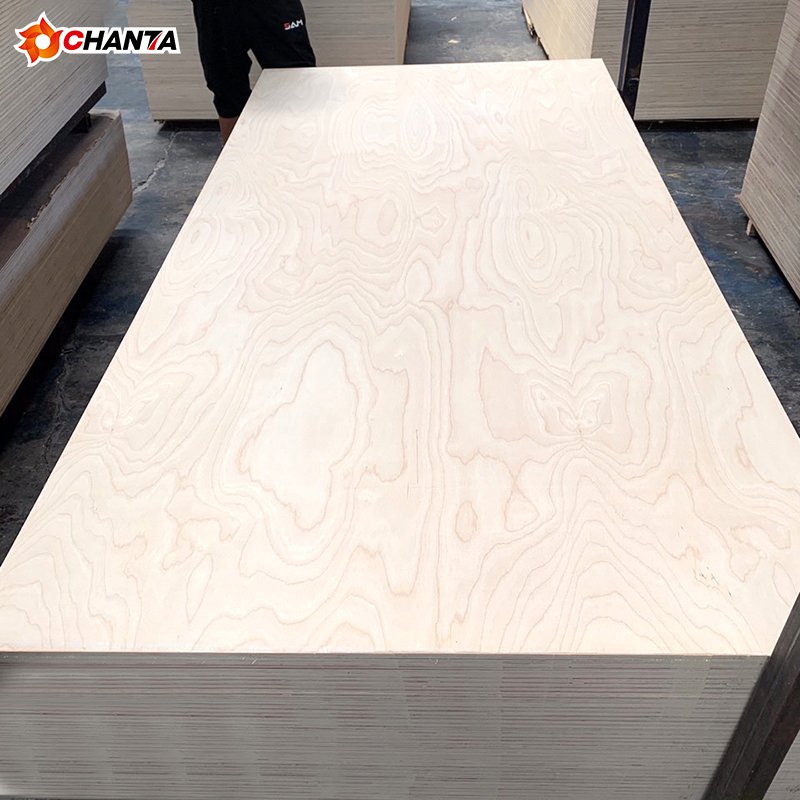
For bulk buyers, understanding birch plywood sheet weight is essential for accurate cost calculation and logistics planning. Unlike general weight references, sheet weight focuses on the exact mass of a single panel and how it scales in bulk shipments.
Whether you are importing full containers or planning production materials, knowing how to calculate plywood weight helps prevent unexpected costs and improves overall efficiency.
Average Weight per Birch Plywood Sheet
The weight of a single sheet depends mainly on thickness and density. The most common reference is the standard 4×8 sheet size.
| Thickness | Weight per Sheet (4×8) |
|---|---|
| 12mm | 18 – 22 kg |
| 15mm | 22 – 27 kg |
| 18mm | 25 – 32 kg |
| 24mm | 32 – 40 kg |
These values may vary slightly depending on manufacturer and moisture content, but they provide a reliable baseline for estimation.
How to Calculate Birch Plywood Sheet Weight
For more precise calculations, sheet weight can be estimated using a simple formula:
Weight (kg) = Density (kg/m³) × Thickness (m) × Area (m²)
For example, using an average density of 650 kg/m³:
- Sheet size: 1220 × 2440 mm (≈ 2.98 m²)
- Thickness: 18mm (0.018 m)
Estimated weight:
650 × 0.018 × 2.98 ≈ 34.8 kg
In real production, actual weight is slightly lower due to material variation and processing differences.
Weight per Pallet and Container
For wholesale buyers, sheet weight is only part of the equation. Total shipment weight determines freight cost and loading capacity.
Typical pallet loading:
- 40–60 sheets per pallet (depending on thickness)
- 1.2–2.0 tons per pallet
Container loading example:
- 20GP container: approx 400–500 sheets (18mm)
- Total weight: 12–16 tons
These values vary based on packaging method and supplier specifications.
Why Sheet Weight Matters for Buyers
Understanding sheet weight helps buyers in several key areas:
- accurate freight cost estimation
- efficient container loading
- better warehouse planning
- reduced risk of overloading
Ignoring weight calculations can lead to unexpected shipping expenses or logistical issues.
Factors That Cause Weight Variation
Not all birch plywood sheets weigh exactly the same. Variations occur due to:
- wood density differences
- moisture content changes
- glue and resin content
- core construction type
Buyers should always allow a small tolerance when calculating total shipment weight.
Comparing Sheet Weight Across Materials
| Material | Weight per 4×8 Sheet (18mm) |
|---|---|
| Birch Plywood | 25 – 32 kg |
| MDF | 30 – 38 kg |
| Particle Board | 22 – 30 kg |
| Softwood Plywood | 18 – 25 kg |
This comparison shows that birch plywood offers a balance between weight and strength.
Tips for Bulk Buyers
When purchasing birch plywood in bulk, consider the following:
- confirm weight per sheet with supplier
- check pallet configuration
- verify container weight limits
- plan for handling equipment if needed
These steps help avoid unexpected logistics issues.
Final Thoughts
Birch plywood sheet weight is a practical metric that affects both cost and performance. Accurate calculation allows buyers to optimize shipping, improve planning, and reduce risk.
For large-scale projects and bulk imports, understanding weight is not optional—it is a key part of efficient supply chain management.