
Table of contents
- Understanding Why Birch Plywood Costs More
- Strength and Structural Reliability
- Machining Efficiency and Production Stability
- Surface Quality and Design Flexibility
- Lifecycle Cost vs Initial Material Price
- When Birch Plywood Is Truly Worth It
- When a Lower-Cost Panel May Be Sufficient
- Supply Stability and Long-Term Planning
When buyers compare panel materials, one question appears again and again: Is birch plywood worth the higher price? At first glance, birch plywood often costs more than particle board, MDF, or softwood plywood. For procurement teams and furniture manufacturers, that price difference can look significant.
However, material cost alone rarely tells the full story. To understand whether birch plywood justifies its premium, we need to evaluate structural performance, production efficiency, durability, machining behavior, and long-term lifecycle cost. When viewed from this broader perspective, birch plywood often delivers value that exceeds its initial price.
Understanding Why Birch Plywood Costs More
Birch plywood uses dense hardwood veneers layered in a cross-grain structure. The manufacturing process requires higher-quality raw materials, tighter grading control, and stronger bonding standards compared to many lower-cost panels.
Several factors contribute to the higher price:
- hardwood veneer sourcing
- multi-layer core construction
- consistent thickness control
- stronger glue bonding systems
These characteristics increase production cost, but they also enhance panel performance. The real question becomes whether that performance translates into measurable benefits.
Strength and Structural Reliability
One of the main advantages of birch plywood lies in its strength-to-thickness ratio. Birch veneers are dense and uniform, which gives the finished panel high bending resistance and load-bearing capacity.
For shelves, cabinet bodies, tables, and structural components, this strength reduces sagging and deformation over time. Manufacturers can often use slightly thinner panels without compromising performance, which partially offsets material cost.
| Performance Factor | Birch Plywood | Lower-Cost Panels |
|---|---|---|
| Bending Strength | High | Moderate to low |
| Screw Holding | Strong | Limited |
| Dimensional Stability | Stable | Variable |
| Long-Term Durability | High | Lower |
In structural furniture applications, these differences become critical over time.
Machining Efficiency and Production Stability
Modern furniture manufacturing relies heavily on CNC cutting, automated drilling, and standardized assembly processes. Birch plywood’s consistent density and veneer structure allow machines to operate with fewer adjustments.
Cleaner cuts, smoother edges, and predictable performance reduce production waste and improve yield. Lower-cost panels sometimes introduce internal voids or density variation, which increases defect rates and tool wear.
When factories calculate real production cost, they often discover that stable machining behavior reduces hidden expenses.
Surface Quality and Design Flexibility
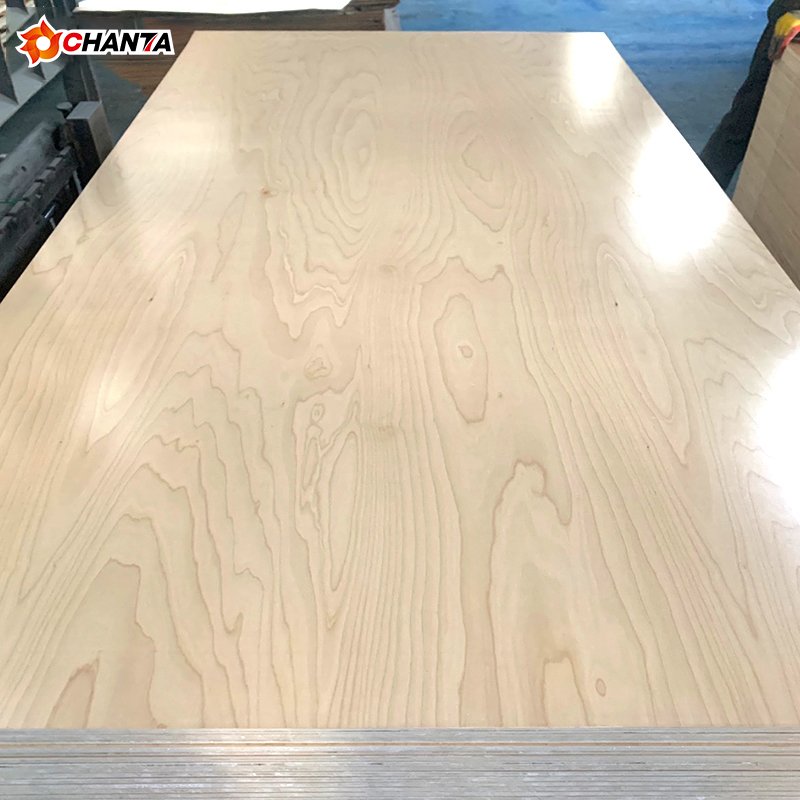
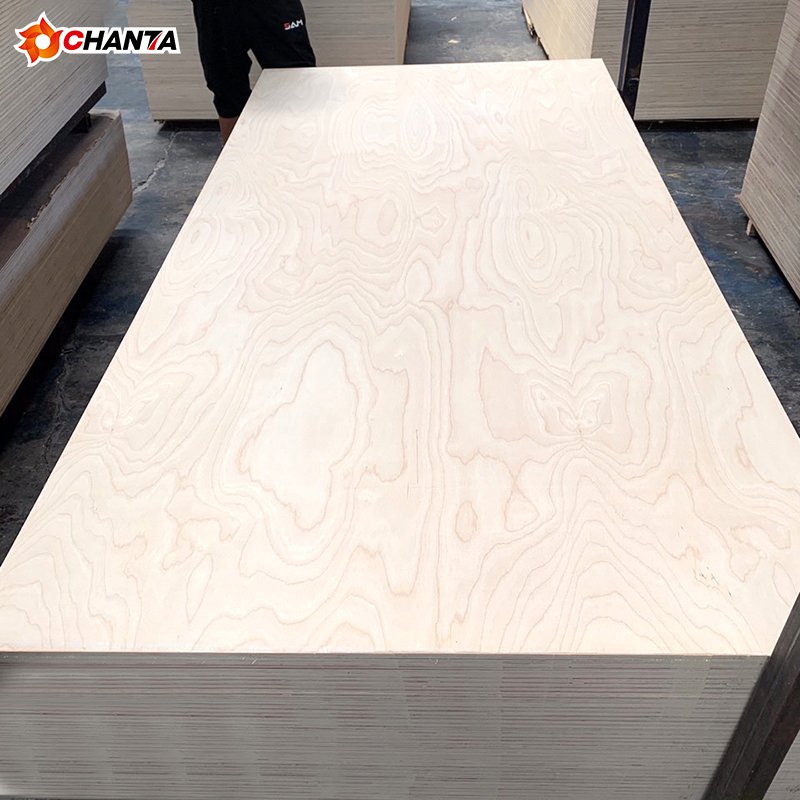
Birch plywood offers a smooth, uniform surface that adapts well to painting, laminating, or veneering. Designers value its clean appearance, especially in modern furniture where minimalism and exposed edges are common.
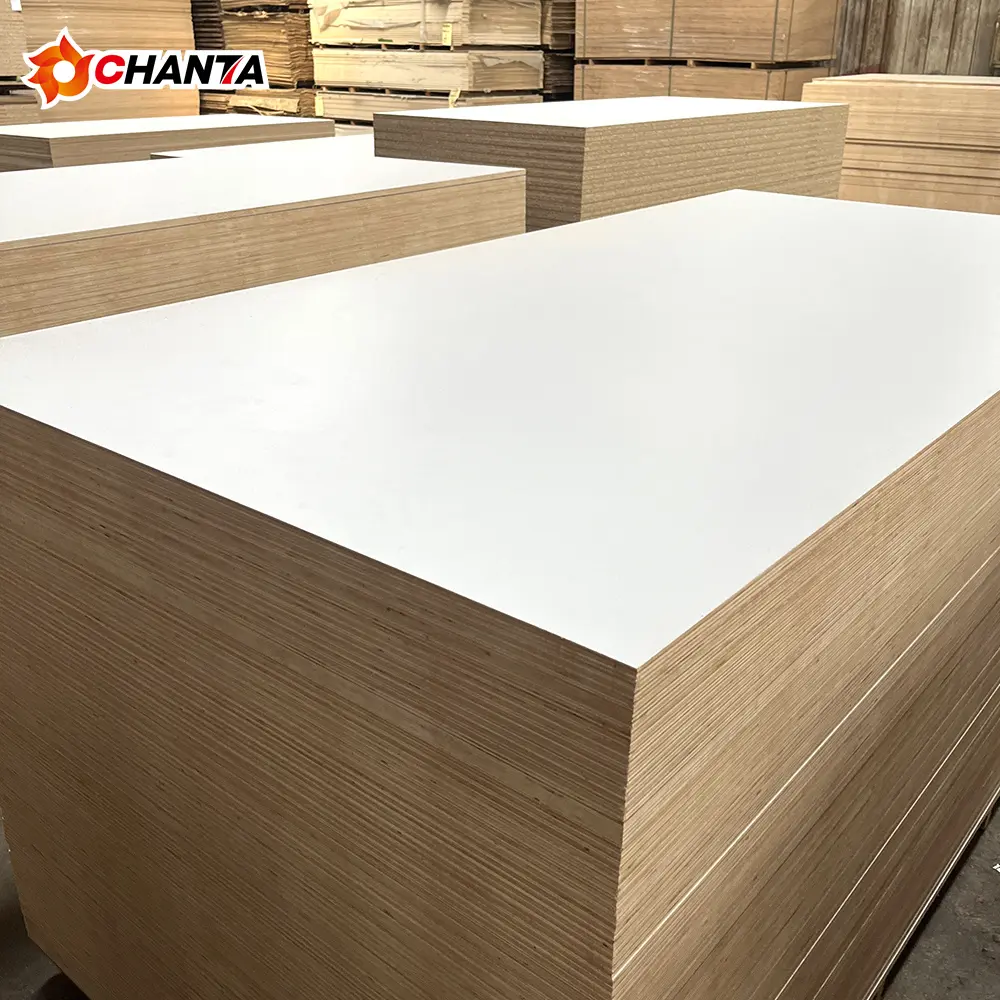
The layered edge structure of birch plywood can also serve as a design feature. This eliminates the need for additional edge treatments in some applications, reducing finishing labor.
Lower-cost materials may require extra surface preparation or reinforcement, which adds time and cost.
Lifecycle Cost vs Initial Material Price
The biggest mistake buyers make is comparing materials based only on price per sheet. A more accurate evaluation considers lifecycle cost.
Lifecycle cost includes:
- production waste rate
- machining efficiency
- defect and rejection rate
- warranty claims
- product lifespan
Birch plywood often reduces defects and increases product durability. Over large production volumes, these savings can outweigh the initial price difference.
When Birch Plywood Is Truly Worth It
Birch plywood provides clear advantages in:
- high-end residential furniture
- commercial cabinetry
- CNC-cut modular systems
- office and retail fixtures
In these applications, durability, structural integrity, and finish quality directly influence brand reputation and long-term performance.
When a Lower-Cost Panel May Be Sufficient
Not every project requires premium material. Temporary structures, low-load components, or budget-driven furniture lines may function adequately with less expensive panels.
The key lies in aligning material performance with product positioning. Over-specifying materials wastes budget, but under-specifying risks long-term issues.
Supply Stability and Long-Term Planning
Beyond performance, sourcing stability matters. Reliable birch plywood suppliers offer consistent specifications and predictable bulk supply. Stable material flow supports long-term contracts and smooth production planning.
Buyers who secure consistent birch plywood sourcing often gain better cost control over time compared to constantly switching between cheaper alternatives.
Final Evaluation
So, is birch plywood worth the higher price? In many cases, yes. When structural reliability, machining efficiency, durability, and lifecycle value are considered together, birch plywood often proves to be a cost-effective choice rather than an expensive one.
For manufacturers focused on long-term quality, production stability, and brand reputation, birch plywood represents an investment in performance rather than a simple material expense.







1 Comment