
Table of contents
When buyers compare birch plywood and pine plywood, the question often sounds simple: which one is better? In reality, the answer depends on how and where the plywood will be used. Birch plywood and pine plywood serve different purposes, even though both fall under the general plywood category.
This article explains the differences in a straightforward way, without technical overload. By looking at strength, consistency, appearance, cost, and real-world applications, you can decide which plywood fits your needs better.
Understanding the Core Difference
The main difference between birch plywood and pine plywood starts with the wood itself. Birch is a hardwood, while pine is a softwood. This distinction affects density, strength, surface quality, and long-term performance.
Birch plywood typically uses denser veneers and tighter grading standards. Pine plywood focuses more on affordability and availability, especially in construction-oriented markets.
Strength and Load-Bearing Performance
Birch plywood generally offers higher strength than pine plywood at the same thickness. Its dense veneer layers resist bending and hold fasteners more securely. Furniture shelves, cabinets, and structural furniture parts benefit from this strength.
Pine plywood provides adequate strength for many uses, but it tends to flex more under load. Builders often choose thicker pine panels to achieve the same rigidity that birch plywood delivers at a slimmer profile.
Screw Holding and Assembly Reliability
Birch plywood holds screws very well. The dense grain structure grips fasteners firmly, which helps joints stay tight over time. Furniture makers and cabinet installers value this reliability, especially for hinges and hardware.
Pine plywood has a softer structure. Screws still hold, but repeated tightening or heavy stress can reduce grip strength. For temporary structures or non-critical assemblies, this difference may not matter.
Surface Quality and Appearance
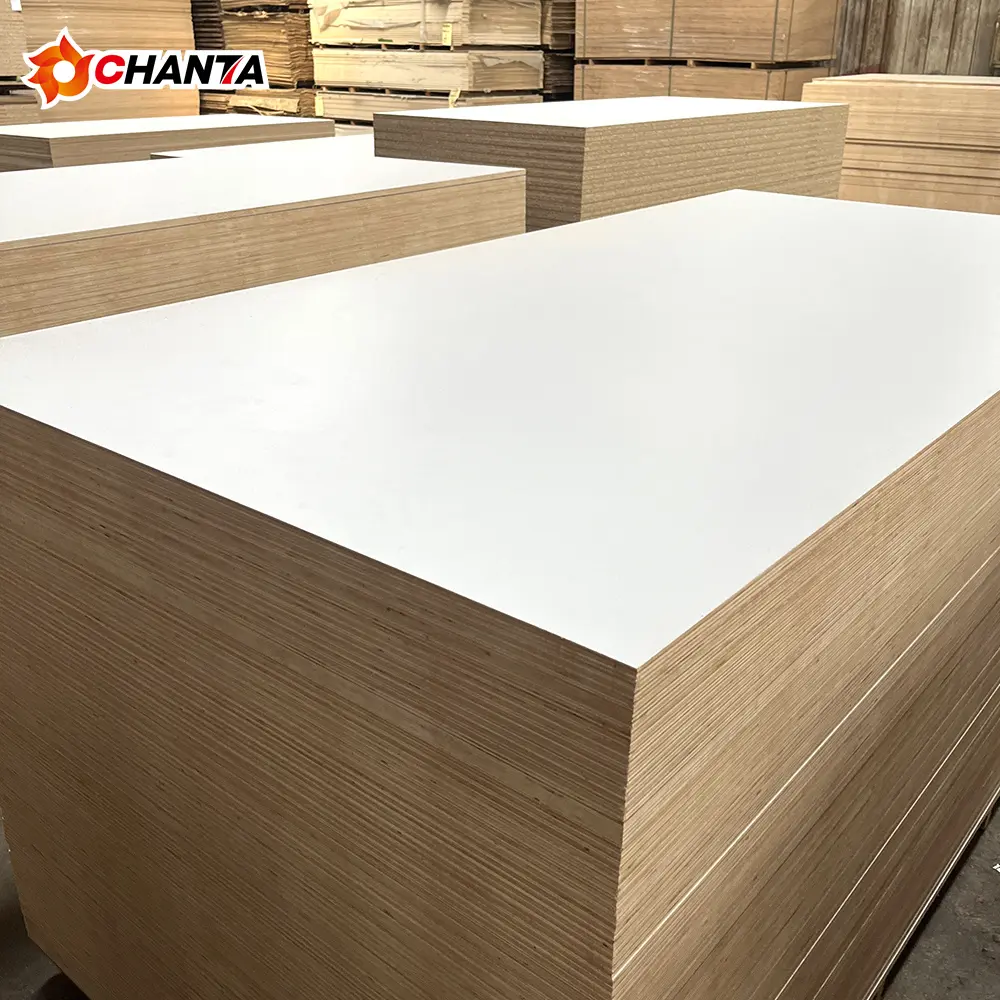
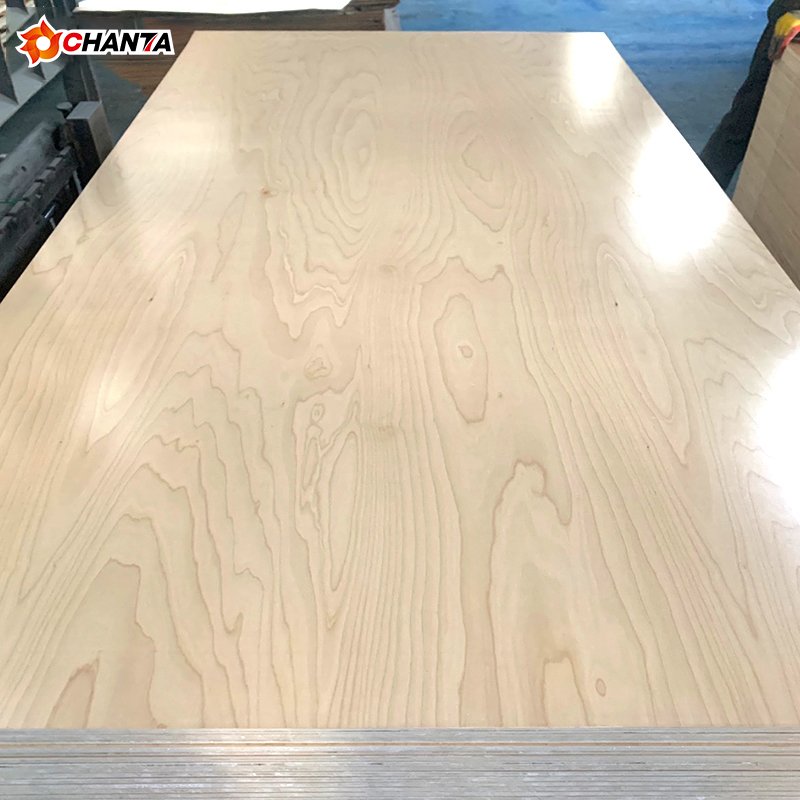
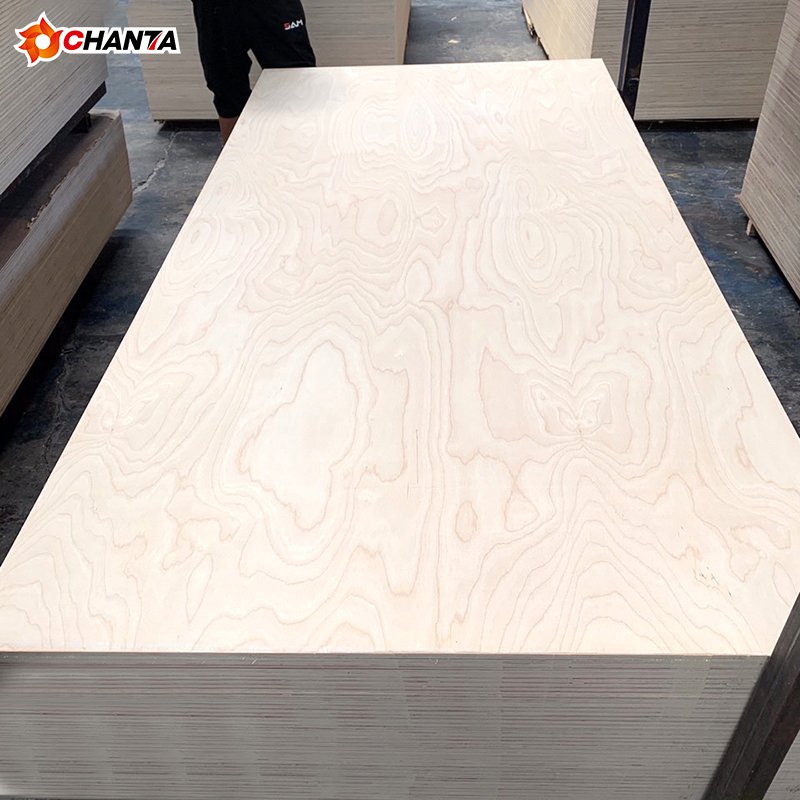
Birch plywood delivers a smooth, uniform surface with a fine grain. This appearance works well for painted furniture, laminated panels, and modern interior designs. Exposed edges also look clean due to consistent veneer layers.
Pine plywood shows more visible grain variation, knots, and color differences. Some buyers appreciate this natural look, especially for rustic or construction-style projects. However, it often requires more surface preparation for high-end finishes.
Consistency and Production Efficiency
Consistency matters in manufacturing. Birch plywood behaves predictably from sheet to sheet, which supports CNC cutting and mass production. Factories reduce waste and setup time because panels perform the same way across large batches.
Pine plywood varies more in density and surface appearance. For general construction, this variation rarely causes problems. For precision manufacturing, it can introduce inefficiencies.
Moisture Resistance and Environment
Neither birch plywood nor pine plywood is naturally waterproof. Both require proper sealing or coating for humid conditions. That said, pine plywood often appears in exterior or structural applications when treated, while birch plywood stays mainly in interior environments.
Birch plywood performs best in dry, controlled spaces such as homes, offices, and commercial interiors. Pine plywood fits better in framing, sheathing, and utility projects.
Cost Comparison
Cost often drives material selection. Birch plywood costs more than pine plywood due to higher raw material density, tighter quality control, and better surface grades.
Pine plywood offers a more economical solution for large-area coverage or projects where appearance and precision matter less. For budget-driven construction, pine plywood remains a practical option.
Side-by-Side Comparison
| Factor | Birch Plywood | Pine Plywood |
|---|---|---|
| Wood Type | Hardwood | Softwood |
| Strength | High | Medium |
| Screw Holding | Excellent | Moderate |
| Surface Quality | Smooth and uniform | Knots and grain variation |
| Consistency | Very consistent | More variation |
| Cost | Higher | Lower |
Which One Is Better for Your Project?
Birch plywood is better when strength, precision, and appearance matter. Furniture manufacturing, cabinetry, shelving, and CNC-cut designs benefit from birch plywood’s performance and consistency.
Pine plywood works better for construction, framing, subflooring, and utility projects where cost efficiency and availability matter more than fine finishing.
Neither option is universally better. The right choice depends on application, budget, and performance expectations.
Final Thoughts
Birch plywood and pine plywood serve different roles. Birch plywood delivers higher strength, cleaner surfaces, and more predictable performance. Pine plywood offers affordability and flexibility for structural and general use.
Understanding these differences helps buyers choose the right material rather than relying on assumptions. When matched correctly to the application, both types of plywood perform well in their intended roles.







1 Comment