Table of contents
- Understand Your Application Before Negotiating Price
- Know the Grades and Surface Standards
- Thickness, Core Structure, and Glue Type
- Evaluate Supplier Production Capacity
- Request Samples and Conduct Testing
- Understand Pricing Structure in Wholesale Deals
- Logistics and Container Planning
- Quality Inspection Before Shipment
- Build Long-Term Supplier Relationships
- Common Mistakes in Birch Plywood Wholesale Buying
Buying birch plywood in bulk is very different from purchasing a few sheets from a local distributor. Wholesale buyers must think beyond unit price. They must evaluate quality consistency, supplier reliability, grading standards, logistics planning, and long-term cost control. A small oversight in bulk purchasing can lead to significant financial losses, delayed production schedules, or customer complaints.
This Birch Plywood Wholesale Buying Guide explains what professional buyers need to consider before placing large-volume orders. Whether you are a furniture manufacturer, construction contractor, or importer, this guide will help you reduce risk and improve purchasing efficiency.
Understand Your Application Before Negotiating Price
Wholesale success starts with clarity. Many buyers focus on price first, but experienced procurement teams define technical requirements before discussing cost.
Ask yourself:
- Will the plywood be used for cabinets, shelving, flooring, or structural frames?
- Do you require exposed edges or surface veneering?
- Will panels undergo CNC machining?
- Is moisture resistance important?
Each application demands different specifications. Cabinet manufacturing may prioritize surface grade and screw holding strength. Structural components may prioritize core density and bonding strength. When requirements are clear, suppliers can provide accurate quotations instead of vague estimates.
Know the Grades and Surface Standards
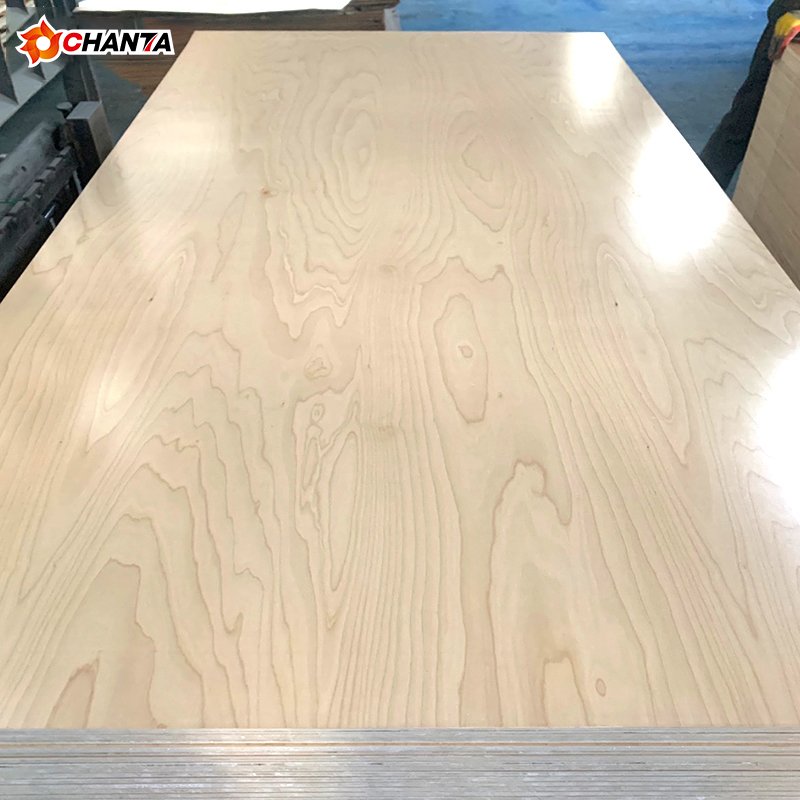
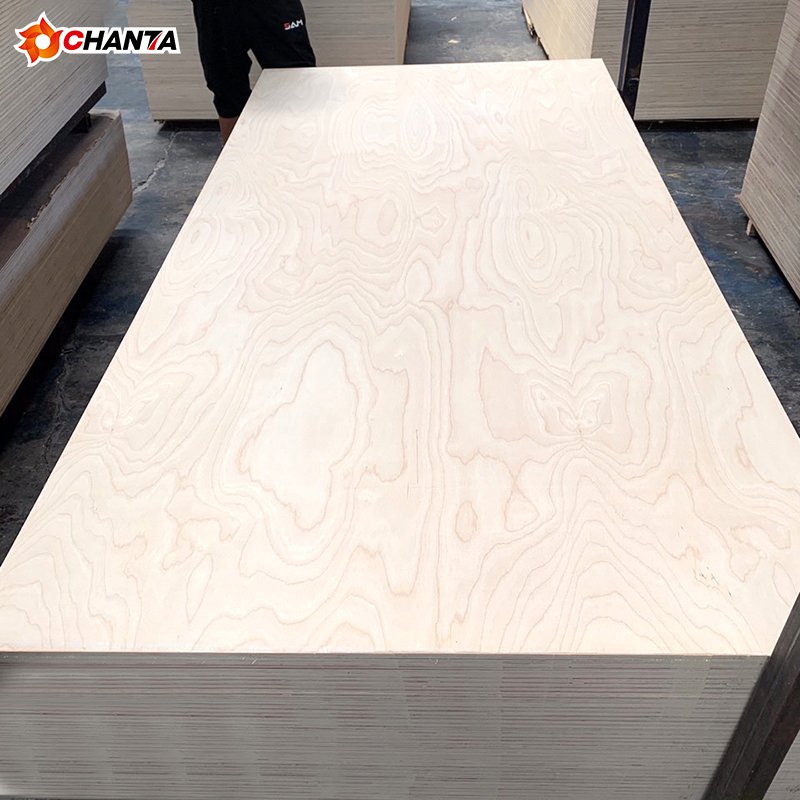
Birch plywood grades affect both appearance and cost. Wholesale buyers must understand grading terminology used by manufacturers.
| Grade | Surface Quality | Typical Use |
|---|---|---|
| A Grade | Clean surface, minimal patches | Visible furniture parts |
| B Grade | Minor repairs allowed | Cabinet bodies |
| C Grade | Visible patches and color variation | Structural or hidden areas |
| D Grade | Open defects allowed | Industrial applications |
Selecting the correct grade avoids overpaying for unnecessary appearance quality while maintaining required performance standards.
Thickness, Core Structure, and Glue Type
Thickness tolerance matters in bulk orders. A 0.5 mm variation across hundreds of sheets can create assembly problems. Confirm acceptable tolerances before finalizing the contract.
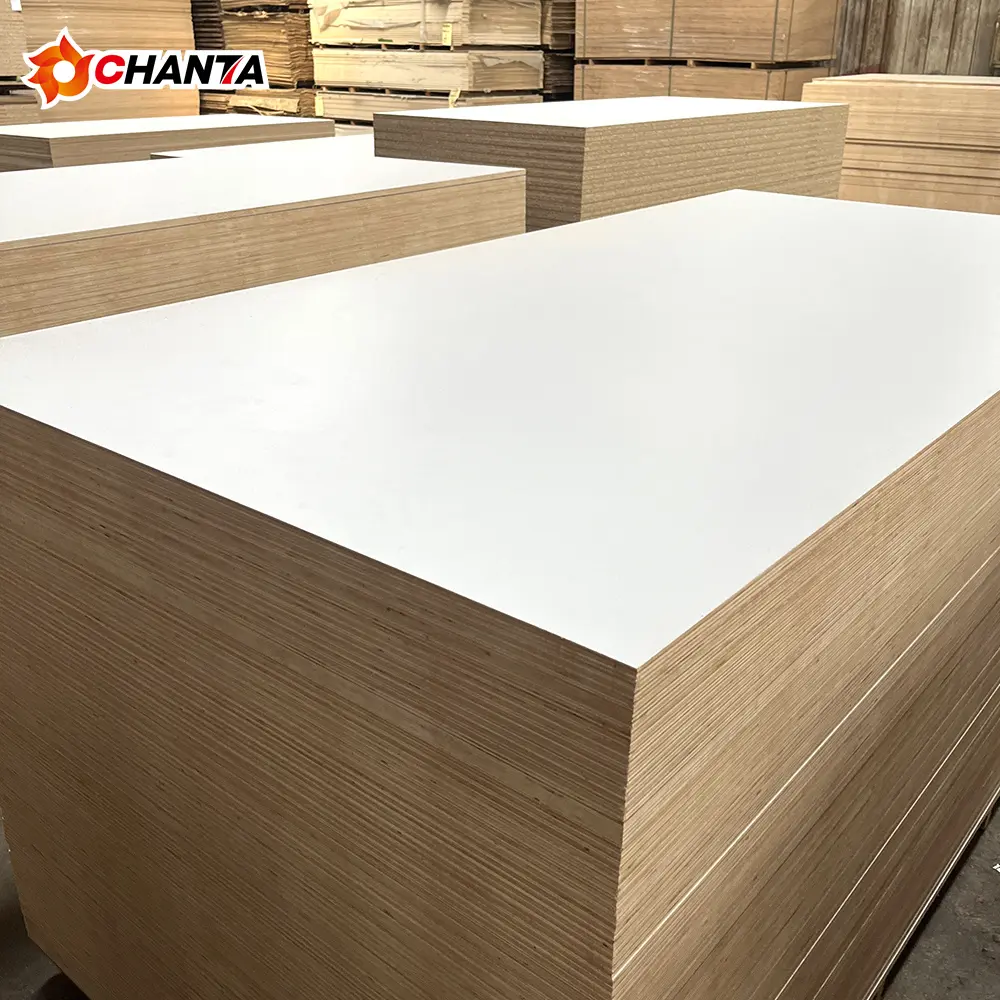
Core construction also influences strength and weight. Some birch plywood panels use full birch core layers, while others combine hardwood or mixed cores to balance cost and performance.
Glue type affects moisture resistance:
- Interior glue for dry environments
- WBP (Weather and Boil Proof) glue for higher moisture resistance
Wholesale buyers must match glue type to intended usage to prevent long-term delamination.
Evaluate Supplier Production Capacity
Not all suppliers can handle consistent wholesale volume. Before committing to large contracts, verify production capacity and export experience.
Key factors include:
- Monthly production output
- Quality control procedures
- Machinery modernization
- Raw material sourcing stability
Suppliers with stable raw material access and structured quality inspection systems reduce the risk of inconsistent shipments.
Request Samples and Conduct Testing
Never rely solely on photos or specifications. Always request physical samples before confirming bulk orders. Test for:
- Bending strength
- Screw holding performance
- Moisture behavior
- Surface smoothness
If possible, test multiple batches to confirm consistency rather than judging from a single panel.
Understand Pricing Structure in Wholesale Deals
Wholesale birch plywood pricing depends on multiple variables:
- Thickness and grade
- Core construction
- Glue type
- Order volume
- Packaging requirements
- Shipping terms (FOB, CIF, etc.)
Avoid focusing only on price per sheet. Instead, evaluate cost per usable unit after accounting for defect rates and production efficiency.
Logistics and Container Planning
Efficient container loading reduces freight cost per sheet. Confirm:
- Number of sheets per container
- Packaging method (palletized or loose)
- Moisture protection during shipping
Improper packaging can lead to edge damage or moisture exposure, which increases waste upon arrival.
Quality Inspection Before Shipment
Wholesale buyers often use third-party inspection agencies to verify quality before shipment. Inspections should confirm:
- Thickness tolerance
- Panel flatness
- Surface grading compliance
- Bonding strength
- Moisture content levels
Pre-shipment inspection reduces disputes and protects both buyer and supplier.
Build Long-Term Supplier Relationships
Wholesale purchasing works best when both sides prioritize stability over short-term negotiation. Long-term cooperation often leads to:
- More competitive pricing
- Priority production scheduling
- Better payment flexibility
- Consistent quality standards
Switching suppliers frequently may reduce short-term cost but increases long-term risk.
Common Mistakes in Birch Plywood Wholesale Buying
- Choosing based only on lowest price
- Ignoring thickness tolerance
- Failing to test multiple batches
- Overlooking packaging details
- Not clarifying grading standards in writing
Avoiding these mistakes protects production efficiency and financial stability.
Final Thoughts
Birch plywood wholesale buying requires careful planning and technical understanding. The lowest price does not always equal the best value. Professional buyers evaluate performance, consistency, supplier capacity, and logistics together.
When specifications align with application needs and supplier reliability is confirmed, wholesale purchasing becomes a strategic advantage rather than a risk. A structured approach ensures stable production, predictable costs, and long-term supply security.