Table of contents
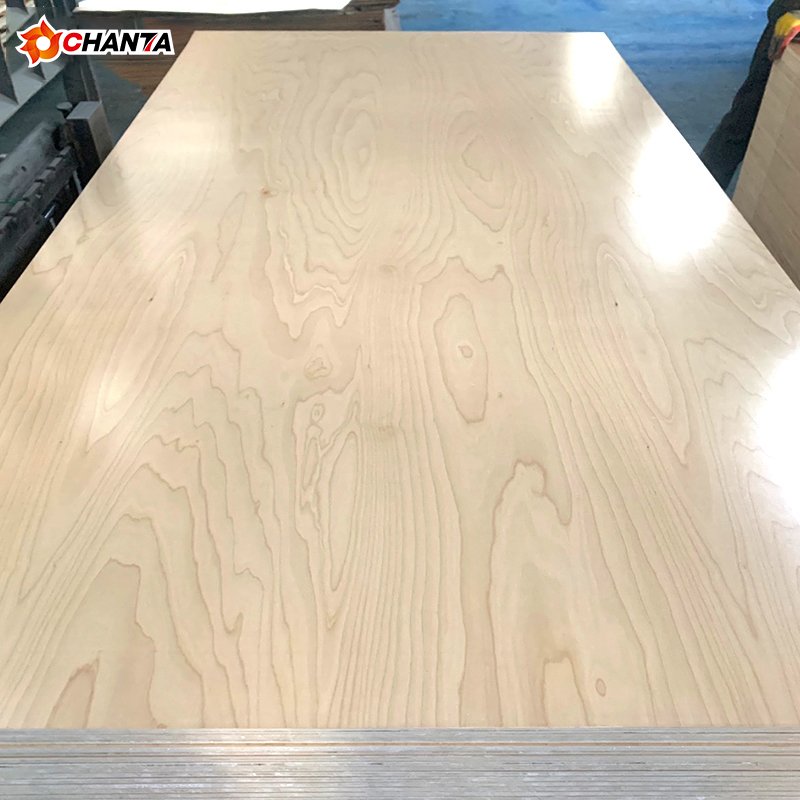
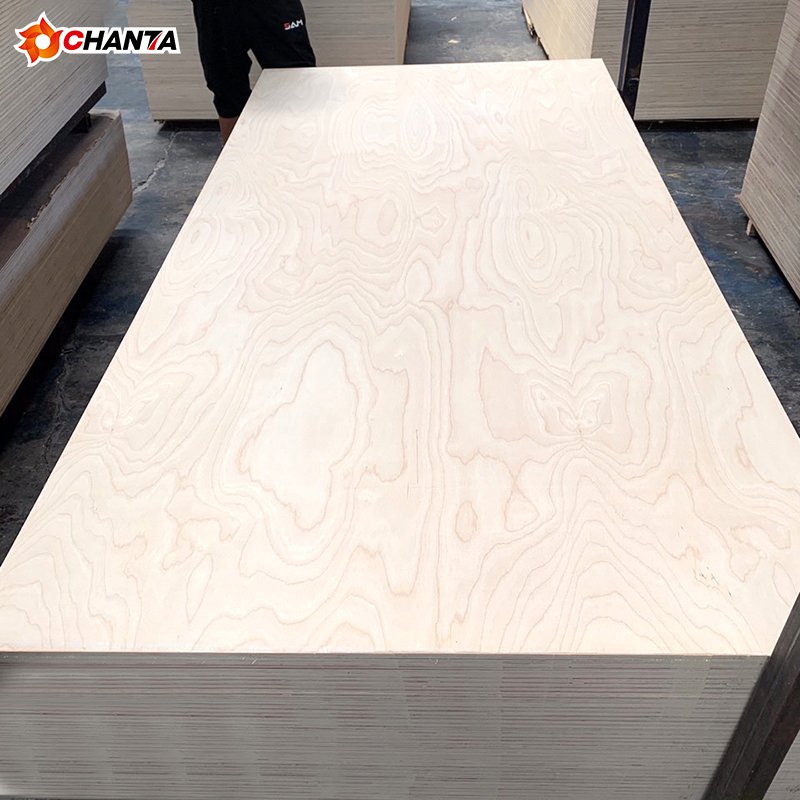
When selecting materials for furniture or construction, understanding birch plywood weight and strength is essential. These two factors directly influence structural performance, transportation cost, and manufacturing efficiency.
Many buyers focus only on thickness or price, but weight and strength provide a more accurate picture of how a panel will perform in real applications. This guide explains how birch plywood behaves under load and why it is often preferred over other panel materials.
Typical Weight of Birch Plywood
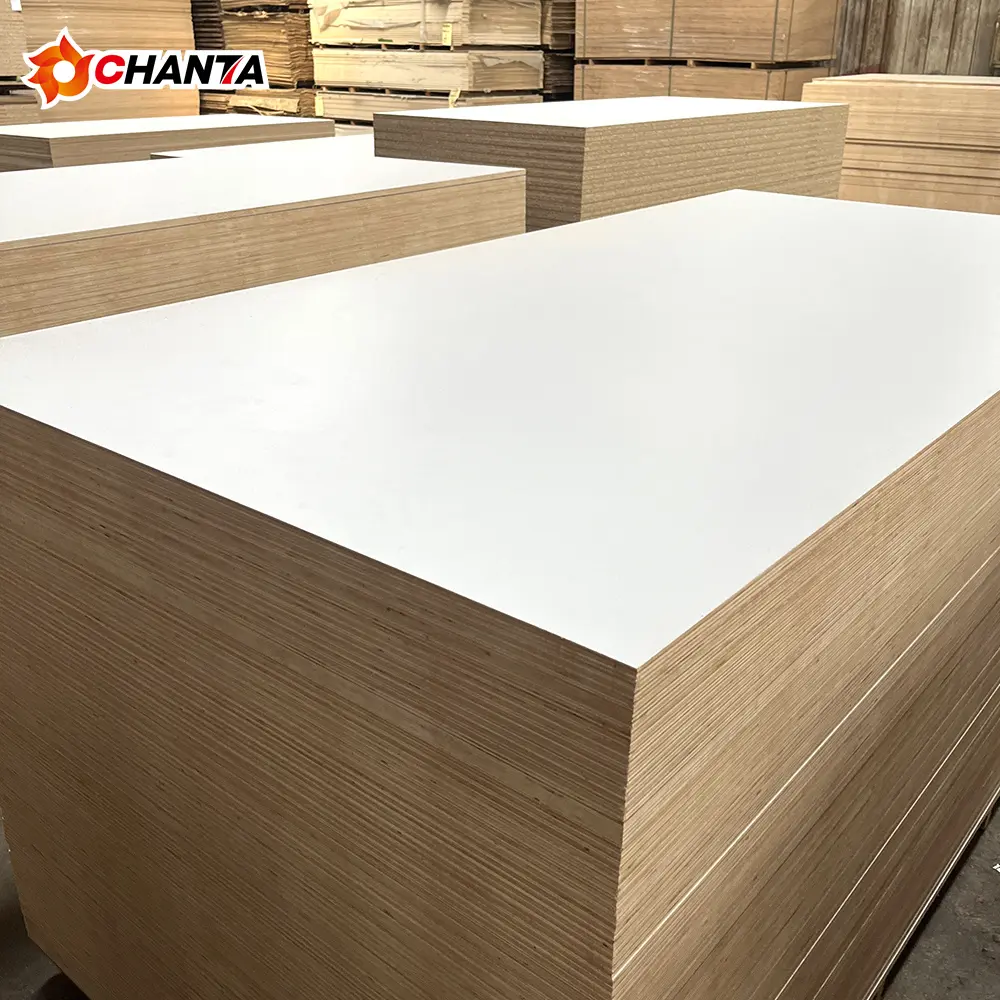
Birch plywood is known for its relatively high density compared to softwood plywood or MDF alternatives. The exact weight depends on thickness, core structure, and moisture content.
| Thickness | Approx Weight (kg per 4×8 sheet) |
|---|---|
| 12mm | 18 – 22 kg |
| 18mm | 25 – 32 kg |
| 24mm | 32 – 40 kg |
This higher weight reflects the dense hardwood layers used in production. While heavier panels increase transportation cost, they also provide better structural reliability.
What Determines Birch Plywood Strength
Strength in birch plywood comes from a combination of material density and engineered construction. Each layer contributes to load distribution and resistance to deformation.
Key factors include:
- number of veneer layers
- cross-grain structure
- bonding quality between layers
- uniform density
Because each layer is oriented perpendicular to the next, birch plywood distributes stress evenly, reducing the risk of cracking or bending.
Load Capacity in Real Applications
Birch plywood performs well in load-bearing scenarios. Shelves, cabinets, and structural panels benefit from its ability to resist sagging over time.
For example:
- 18mm panels support medium to heavy shelving loads
- thicker panels provide additional rigidity for large spans
- multi-layer structure improves long-term stability
Actual load capacity depends on support spacing, panel width, and installation method.
Weight vs Strength Trade-Off
One of the main advantages of birch plywood is its balance between weight and strength. While heavier than some alternatives, it delivers significantly higher structural performance.
Compared with lighter materials:
- less bending under load
- better screw holding strength
- longer service life
This balance makes birch plywood suitable for applications where reliability matters more than minimal weight.
Comparison with Other Panel Materials
| Material | Weight | Strength | Stability |
|---|---|---|---|
| Birch Plywood | Medium to High | High | Excellent |
| MDF | High | Medium | Moderate |
| Particle Board | Medium | Low | Low |
| Softwood Plywood | Light | Medium | Variable |
This comparison shows why birch plywood is often selected for applications requiring both strength and reliability.
Why Strength Matters in Manufacturing
In furniture production, panel strength affects not only durability but also machining performance. Stronger panels produce cleaner cuts and hold fasteners more securely.
This leads to:
- better assembly stability
- reduced product failure
- higher customer satisfaction
Manufacturers often choose birch plywood to reduce long-term risks.
Final Thoughts
Birch plywood weight and strength are closely connected. Its higher density results in better load capacity, improved stability, and longer lifespan.
For applications where structural reliability matters, birch plywood offers a dependable balance between weight and performance, making it a preferred material in modern manufacturing and construction.