
Table of contents
When buyers compare birch plywood vs hardwood plywood, the confusion usually comes from one simple issue: both sound similar, but they serve different purposes. Many suppliers use the term “hardwood plywood” very broadly, while birch plywood refers to a more specific and controlled product. Understanding the real differences helps buyers avoid overpaying or choosing the wrong material for their application.
This article explains the differences in plain language, focusing on structure, performance, appearance, cost, and typical use cases. By the end, you should clearly know which option fits your needs better.
What Is Birch Plywood?
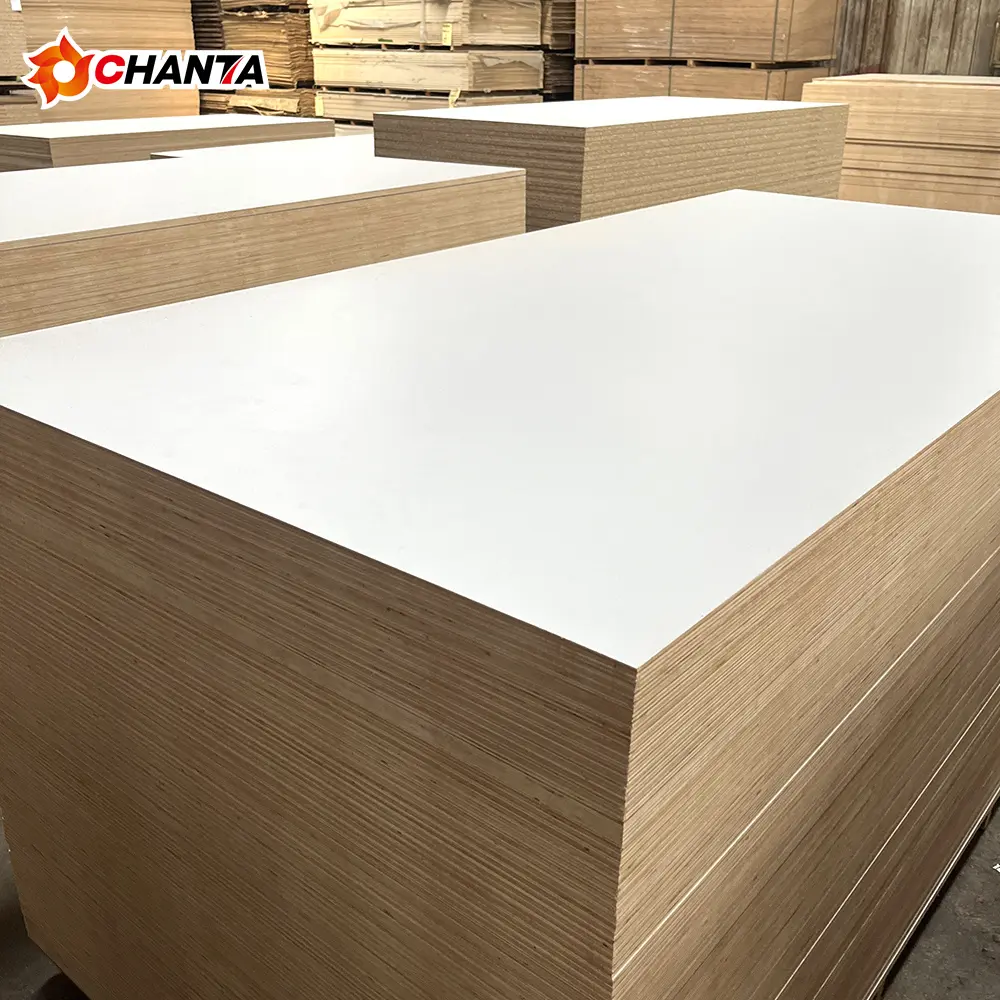
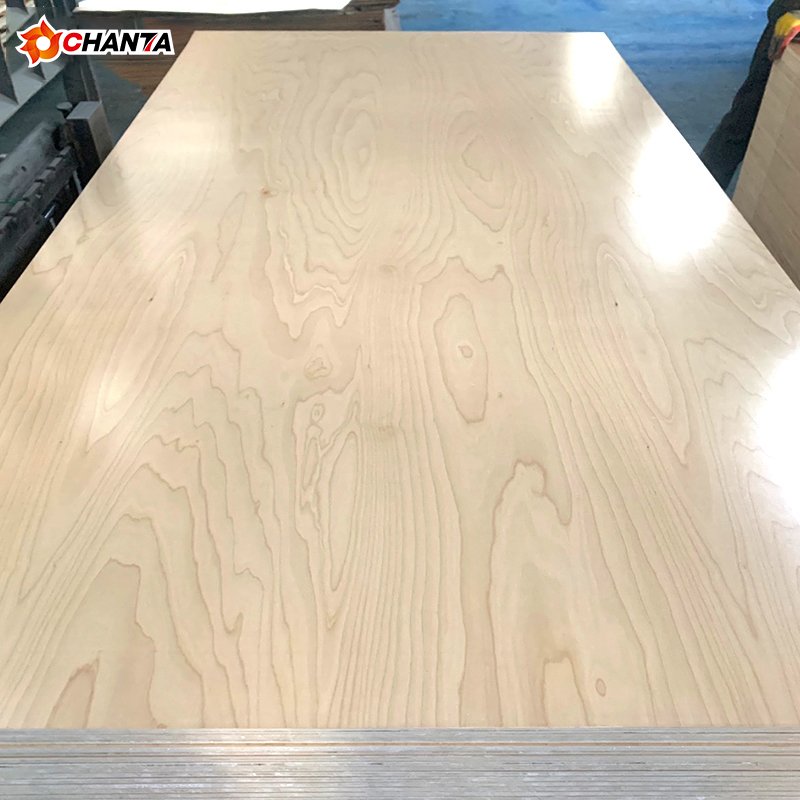
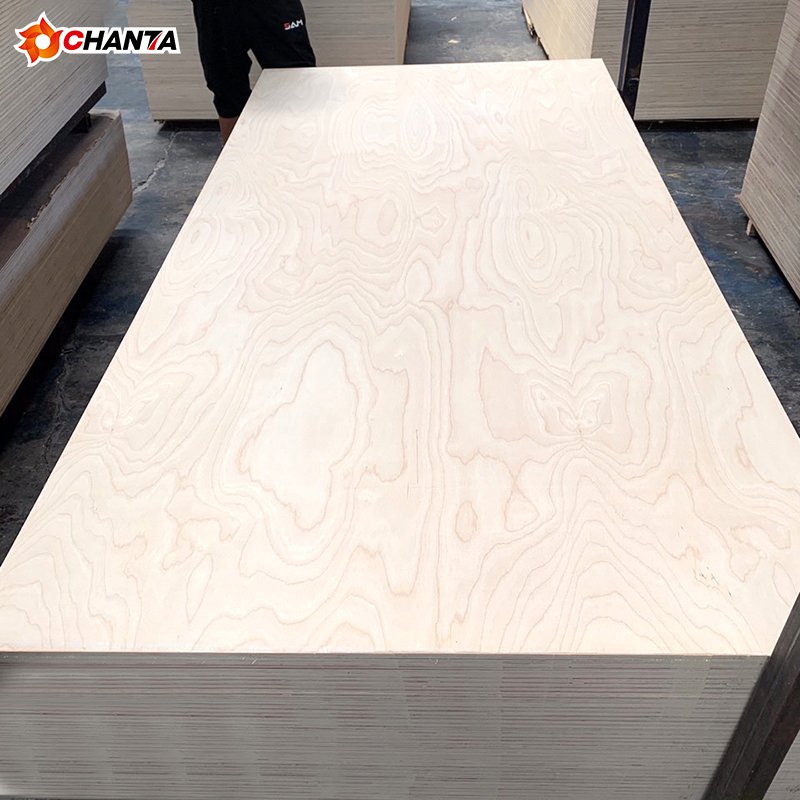
Birch plywood uses birch veneers on the face and often throughout the core. Manufacturers value birch because it offers a tight grain, high density, and consistent strength. These qualities make birch plywood a preferred choice for furniture, cabinetry, and precision machining.
Typical characteristics of birch plywood include:
- uniform veneer layers
- high screw-holding strength
- smooth, clean surface
- stable dimensional performance
Because of these features, birch plywood works especially well for CNC cutting, exposed edges, and applications that demand consistency across large production runs.
What Is Hardwood Plywood?
Hardwood plywood describes a broad category rather than a single material. It usually refers to plywood made with hardwood face veneers such as oak, eucalyptus, maple, or mixed tropical species. The core may consist of mixed hardwood, poplar, or a combination of species.
Hardwood plywood often focuses on versatility and cost control rather than uniform appearance. Its properties vary widely depending on the wood species, core construction, and manufacturing standards.
Common traits of hardwood plywood include:
- varied grain and color
- different density levels
- mixed core structures
- broader tolerance in appearance
Key Differences Between Birch Plywood and Hardwood Plywood
1. Core Structure and Consistency
Birch plywood usually features more uniform veneer layers, which results in predictable strength and flatness. This consistency matters in furniture manufacturing and automated production.
Hardwood plywood may use mixed cores, which can introduce variation from sheet to sheet. For many construction or utility uses, this variation does not create issues, but it can affect precision work.
2. Strength and Mechanical Performance
Birch plywood generally offers higher density and better screw-holding capacity. Shelves, cabinets, and load-bearing furniture components benefit from this strength.
Hardwood plywood strength depends heavily on species and core composition. Some hardwood panels perform very well, while others prioritize cost over mechanical performance.
3. Surface Appearance
Birch plywood delivers a clean, uniform surface that finishes well with paint, clear coat, or laminate. Exposed edges also look more refined due to consistent veneer layers.
Hardwood plywood often shows more color variation and grain differences. This appearance works well for rustic or decorative styles, but it may require more finishing work for uniform results.
4. Machining and CNC Performance
Manufacturers often prefer birch plywood for CNC cutting because it machines cleanly and behaves predictably. Tool wear remains consistent, and edge quality stays high.
Hardwood plywood machining results vary depending on species mix and glue quality. Some panels cut well, while others chip or splinter more easily.
5. Cost and Availability
Birch plywood usually costs more due to tighter quality control and higher raw material standards. Buyers pay for consistency and performance rather than volume alone.
Hardwood plywood offers a wider price range. Buyers can choose lower-cost options for structural or hidden uses, or higher-grade hardwood panels for visible applications.
Side-by-Side Comparison
| Factor | Birch Plywood | Hardwood Plywood |
|---|---|---|
| Consistency | Very high | Varies by species |
| Strength | High and predictable | Depends on core |
| Surface Quality | Clean and uniform | Natural variation |
| CNC Performance | Excellent | Inconsistent |
| Cost | Medium to high | Low to medium |
Which One Should You Choose?
The right choice depends on how you plan to use the plywood.
- Choose birch plywood if you need precision, strength, clean surfaces, and repeatable performance.
- Choose hardwood plywood if appearance variation is acceptable and cost efficiency matters more than uniformity.
Furniture manufacturers, cabinet makers, and CNC workshops often rely on birch plywood. Construction projects, packaging, and general-purpose applications often prefer hardwood plywood for flexibility and cost control.
Bulk Supply Considerations
For bulk buyers, consistency matters more than individual sheet quality. Birch plywood supports large production runs with fewer surprises. Hardwood plywood requires careful sampling and specification control to avoid variation across shipments.
Buyers sourcing for long-term contracts often choose birch plywood when performance and repeatability outweigh initial cost savings.
Final Thoughts
Birch plywood and hardwood plywood both serve important roles, but they do not solve the same problems. Birch plywood offers precision, strength, and consistency. Hardwood plywood offers flexibility and cost range. Understanding these differences helps buyers select the right material and avoid unnecessary compromise.
If you need help choosing between birch plywood and hardwood plywood for bulk supply or manufacturing, professional guidance can save both time and cost in the long run.







2 Comments