
Table of contents
- Raw Material Origin and Supply Stability
- Core Structure and Panel Construction
- Mechanical Performance and Machining Behavior
- Thickness Tolerance and Surface Quality
- Pricing and Cost Predictability
- Trade Compliance and Import Risk
- Sustainability and Certification Options
- Application Suitability: Which One Fits Your Needs?
- Why Many Buyers Are Switching to Vietnam Birch Plywood
- How Chanta Supports Birch Plywood Sourcing from Vietnam
- Conclusion
When buyers search for high-quality birch plywood, two options often come up: Baltic birch plywood and Vietnam birch plywood. For many years, Baltic birch dominated the premium plywood segment, especially in furniture, cabinetry, and CNC applications. However, market conditions, trade regulations, and supply chain changes have pushed buyers to re-evaluate traditional sourcing patterns.
Today, Vietnam birch plywood has gained strong global recognition as a competitive and reliable alternative. This article breaks down the key differences between Baltic birch and Vietnam birch plywood, focusing on structure, performance, supply stability, pricing, and compliance. The goal is to help importers, distributors, and manufacturers make informed sourcing decisions.
Raw Material Origin and Supply Stability
Baltic birch plywood traditionally comes from Northern and Eastern Europe, where birch forests offer dense and uniform logs. For decades, this region supplied consistent raw material for high-grade plywood production. However, recent geopolitical changes, export restrictions, and logistics disruptions have affected availability and predictability.
Vietnam birch plywood follows a different supply model. Manufacturers source birch veneers or birch face layers through diversified and compliant channels, then complete full production in Vietnam. This approach reduces reliance on a single region and improves long-term supply stability.
For bulk buyers, predictable availability often matters more than historical reputation. Vietnam’s diversified sourcing model now provides stronger continuity for large-volume orders.
Core Structure and Panel Construction
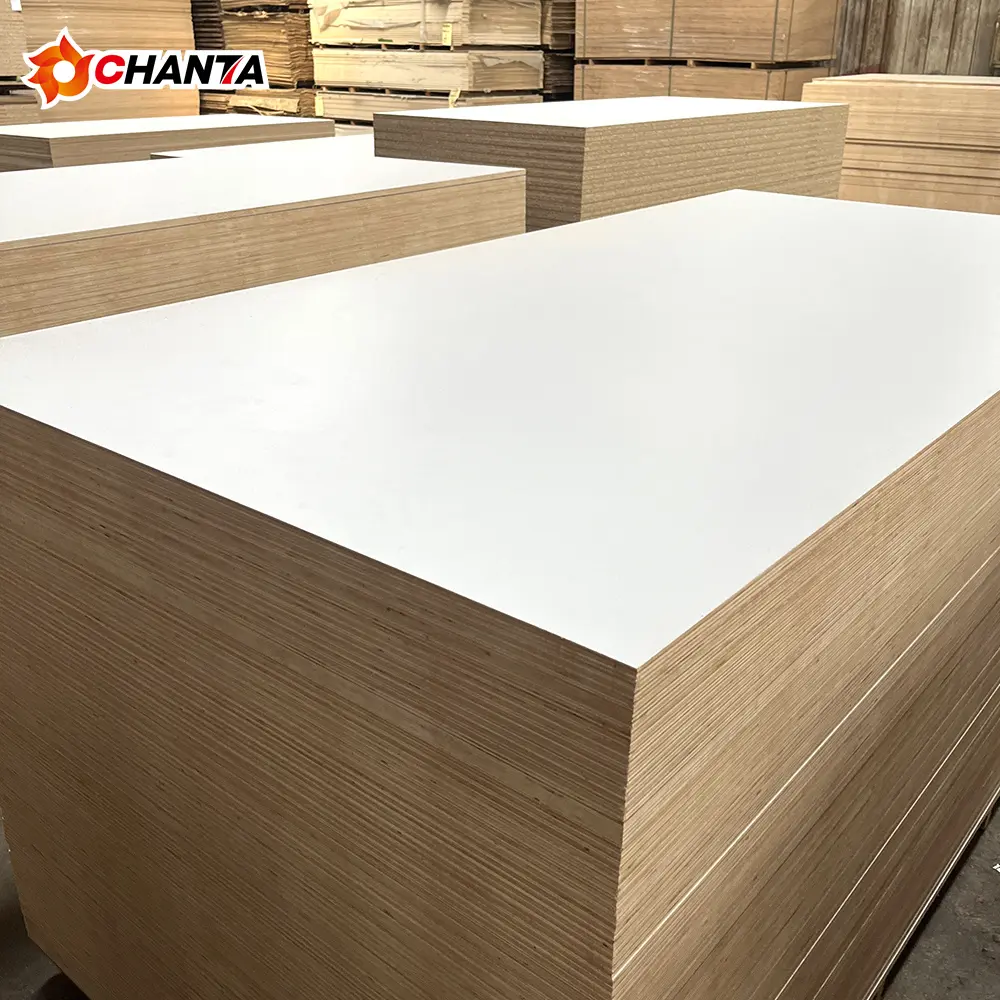
Baltic birch plywood is well known for its all-birch core construction. Thin, uniform birch veneers stack together to create dense panels with excellent edge appearance. This structure performs well in precision cutting and exposed-edge designs.
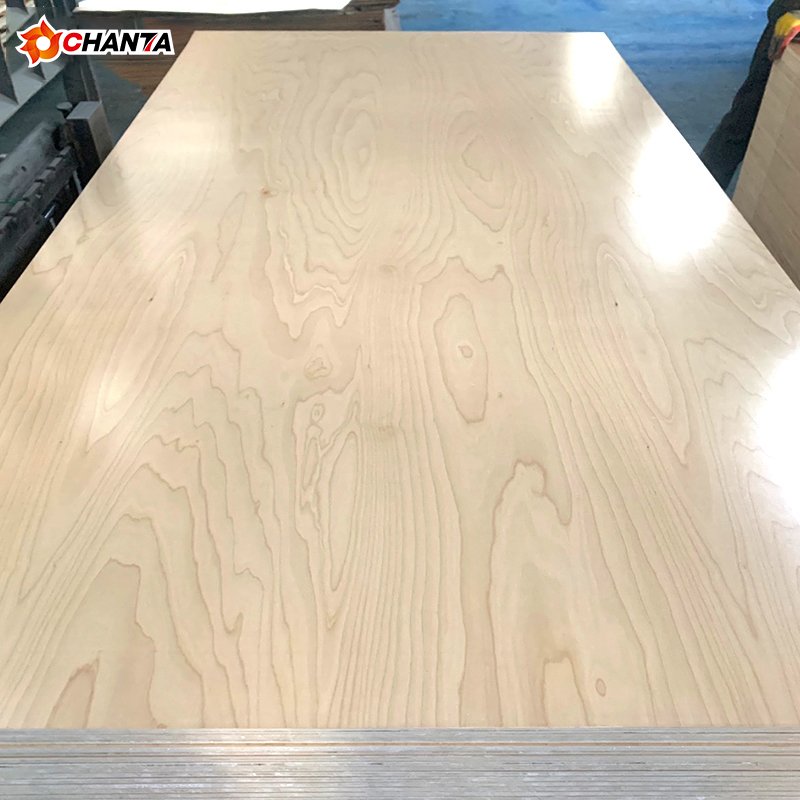
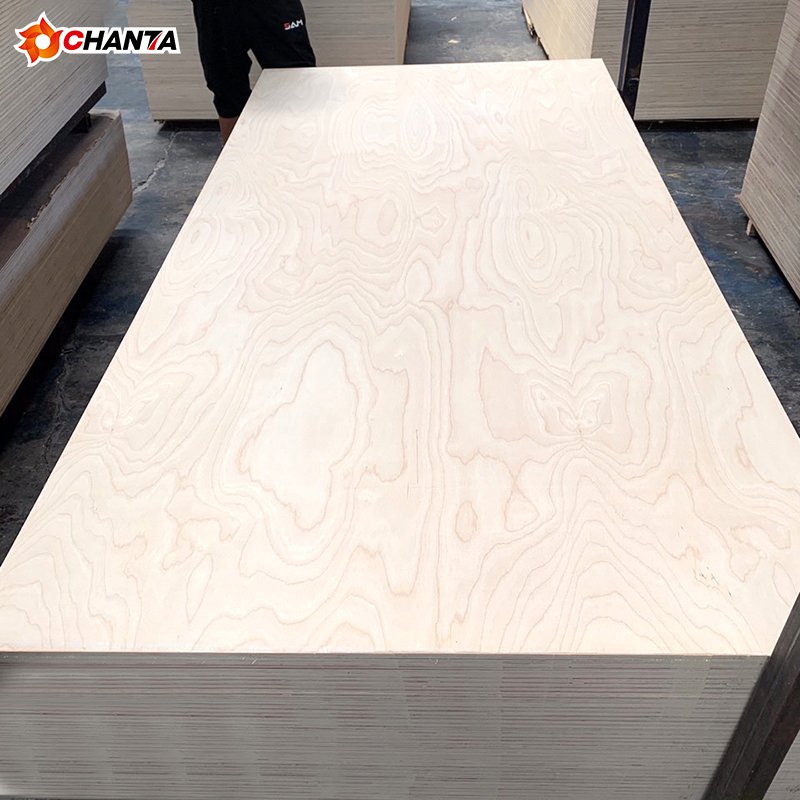
Vietnam birch plywood typically uses birch face veneers combined with high-quality hardwood or mixed cores. Modern Vietnamese factories carefully balance veneer thickness and core composition to achieve strength, flatness, and cost efficiency.
While the construction approach differs, performance outcomes increasingly converge. Many furniture manufacturers report that Vietnam birch plywood meets or exceeds their requirements for strength, machinability, and surface quality.
Mechanical Performance and Machining Behavior
Baltic birch plywood delivers excellent screw-holding strength and clean CNC routing due to its dense, uniform structure. This performance made it a favorite for cabinetry, drawers, and structural furniture components.
Vietnam birch plywood has closed the performance gap through improved pressing technology, veneer calibration, and bonding control. Panels now demonstrate:
- strong screw-holding capacity
- stable dimensional behavior
- smooth CNC routing edges
- reliable performance in furniture assembly
For most commercial and furniture applications, the performance difference no longer justifies a large cost premium.
Thickness Tolerance and Surface Quality
Baltic birch plywood maintains a reputation for precise thickness control and clean surface grading. However, modern Vietnam birch plywood factories now operate calibrated sanding lines that achieve comparable tolerance levels.
Vietnam manufacturers also place strong emphasis on surface consistency, which matters for:
- lamination
- painting
- veneering
- direct furniture assembly
This improvement allows Vietnam birch plywood to integrate seamlessly into automated production lines.
Pricing and Cost Predictability
One of the most significant differences between Baltic birch and Vietnam birch plywood lies in pricing. Baltic birch often commands a premium due to limited supply, higher production costs, and export constraints.
Vietnam birch plywood offers a more balanced cost structure supported by:
- efficient labor utilization
- scalable factory output
- optimized logistics infrastructure
- stable export policies
For bulk buyers and long-term contracts, Vietnam birch plywood provides better cost predictability and margin protection.
Trade Compliance and Import Risk
EU and US importers now prioritize compliance and documentation transparency. Baltic birch plywood shipments may face additional scrutiny due to origin-related regulations and evolving trade policies.
Vietnam birch plywood offers clearer manufacturing traceability and export documentation. Factories complete full production in Vietnam and provide consistent paperwork that supports customs clearance.
This clarity reduces risk for importers who operate under strict regulatory frameworks.
Sustainability and Certification Options
Both Baltic and Vietnam birch plywood suppliers offer FSC-certified products. However, Vietnam factories increasingly integrate sustainability into large-scale production, making certified options more accessible for bulk buyers.
Low-emission bonding systems and responsible sourcing help Vietnam birch plywood align with environmental expectations in Europe and North America.
Application Suitability: Which One Fits Your Needs?
Baltic birch plywood still holds value for niche applications that require exposed birch edges and ultra-uniform veneer layers. However, Vietnam birch plywood now suits a much wider range of applications, including:
- furniture manufacturing
- cabinetry and shelving
- commercial interiors
- office and hospitality furniture
- CNC-cut components
For most buyers, Vietnam birch plywood delivers the right balance of performance, availability, and cost.
Why Many Buyers Are Switching to Vietnam Birch Plywood
The global plywood market no longer revolves around a single origin. Buyers increasingly value stability, scalability, and long-term partnership over historical reputation alone. Vietnam birch plywood meets these modern expectations by offering:
- consistent bulk supply
- competitive pricing
- clear trade compliance
- improving technical standards
As a result, many manufacturers now treat Vietnam birch plywood as a primary sourcing option rather than a substitute.
How Chanta Supports Birch Plywood Sourcing from Vietnam
Chanta works closely with experienced Vietnam birch plywood factories to support global buyers. We focus on quality consistency, specification control, and long-term cooperation rather than short-term transactions.
Our support includes:
- factory-direct Vietnam birch plywood sourcing
- bulk supply coordination
- OEM and customization support
- quality control and inspection coordination
- export documentation assistance
This approach helps buyers transition smoothly from traditional sourcing regions to Vietnam with confidence.
Conclusion
Baltic birch plywood and Vietnam birch plywood each offer strengths, but market realities have shifted. Vietnam birch plywood now delivers comparable performance, better supply stability, clearer compliance, and more predictable pricing. For bulk buyers, distributors, and furniture manufacturers, Vietnam represents a practical and future-oriented sourcing choice.
If you want to evaluate Vietnam birch plywood for your business or compare specifications in detail, Chanta is ready to provide professional guidance and reliable factory connections.






1 Comment