
Table of contents
- Why Baltic Birch Plywood Supply Tightened
- Why Demand Did Not Drop
- How the Shortage Affects Furniture Manufacturing
- Why Buyers Are Rethinking Traditional Sourcing
- Vietnam Birch Plywood Gains Attention
- Performance Comparison in Real Use
- Cost Stability Becomes a Strategic Advantage
- How Manufacturers Adapt to the Shortage
- Will the Baltic Birch Shortage End Soon?
- Final Thoughts
Over the past few years, the Baltic birch plywood shortage has become a real concern for furniture manufacturers, distributors, and importers. What was once a stable and predictable material is now harder to source, more expensive, and less reliable for long-term planning.
This article explains why the shortage is happening, how it impacts downstream industries, and why many buyers are now turning to Vietnam birch plywood as a practical solution.
Why Baltic Birch Plywood Supply Tightened
Baltic birch plywood relies heavily on a limited geographic region for raw material and production. When supply chains were stable, this concentration worked well. Today, it has become a weakness.
Several factors contribute to the shortage:
- restricted access to traditional birch log sources
- reduced production capacity in key regions
- export limitations and regulatory pressure
- logistics disruption and higher shipping costs
These issues reduce available volume and make delivery schedules unpredictable.
Why Demand Did Not Drop
Despite supply challenges, demand for Baltic birch plywood remains strong. Furniture manufacturers continue to value its strength, consistency, and machining performance. As a result, the market faces a supply-demand imbalance.
When demand stays high but supply shrinks, prices rise and lead times extend. Buyers feel this pressure immediately in procurement planning.
How the Shortage Affects Furniture Manufacturing
Furniture factories depend on stable material flow. Baltic birch plywood shortages create several operational problems:
- production delays due to late material arrival
- difficulty maintaining consistent specifications
- higher material costs impacting margins
- increased risk in long-term supply contracts
For factories running continuous lines or large CNC operations, these risks are difficult to absorb.
Why Buyers Are Rethinking Traditional Sourcing
The shortage forces buyers to reassess what really matters. In many cases, supply stability now outweighs historical reputation. Manufacturers increasingly ask whether alternative materials can deliver similar performance without the same uncertainty.
This shift opens the door for new sourcing regions.
Vietnam Birch Plywood Gains Attention
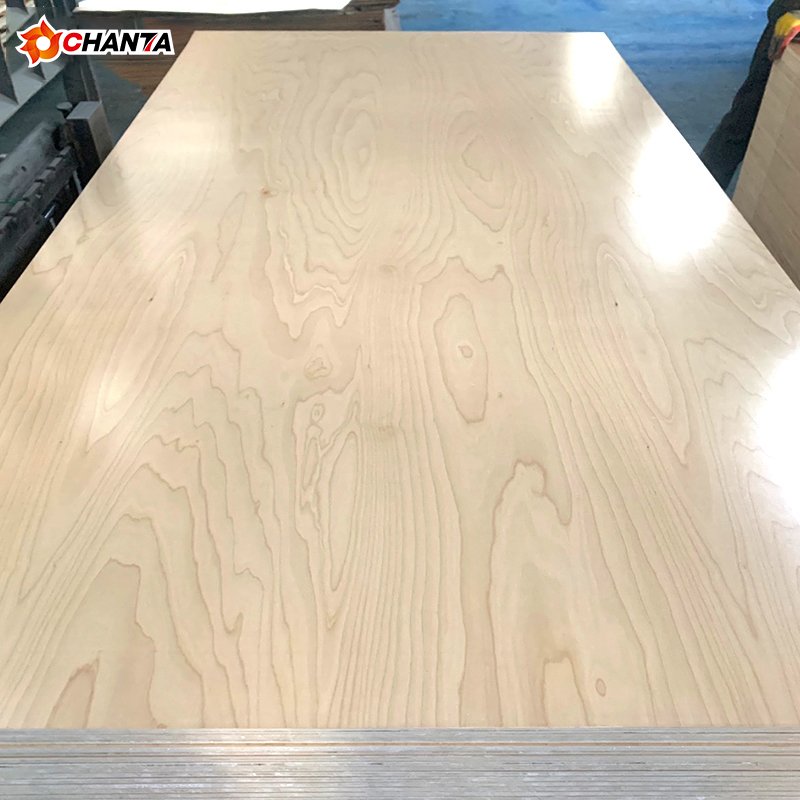
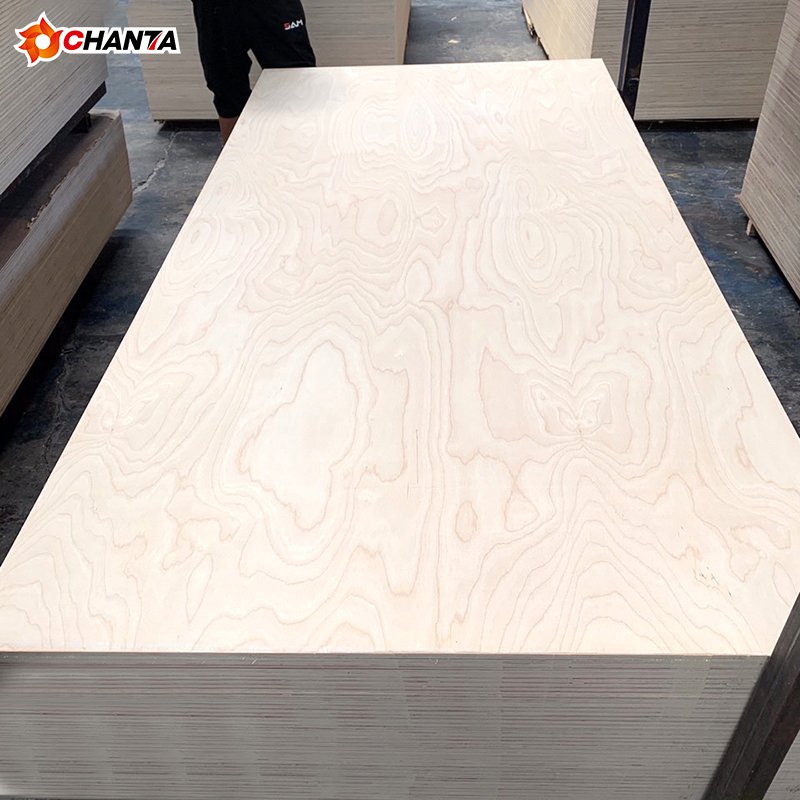
Vietnam birch plywood has gained attention because it addresses the main problems buyers face with Baltic sourcing. Vietnam factories focus on export-oriented production, consistent specifications, and scalable output.
From a buyer’s perspective, Vietnam birch plywood offers:
- more predictable supply availability
- stable bulk production capacity
- competitive factory pricing
- clear export documentation for EU and US markets
These advantages help buyers regain control over production planning.
Performance Comparison in Real Use
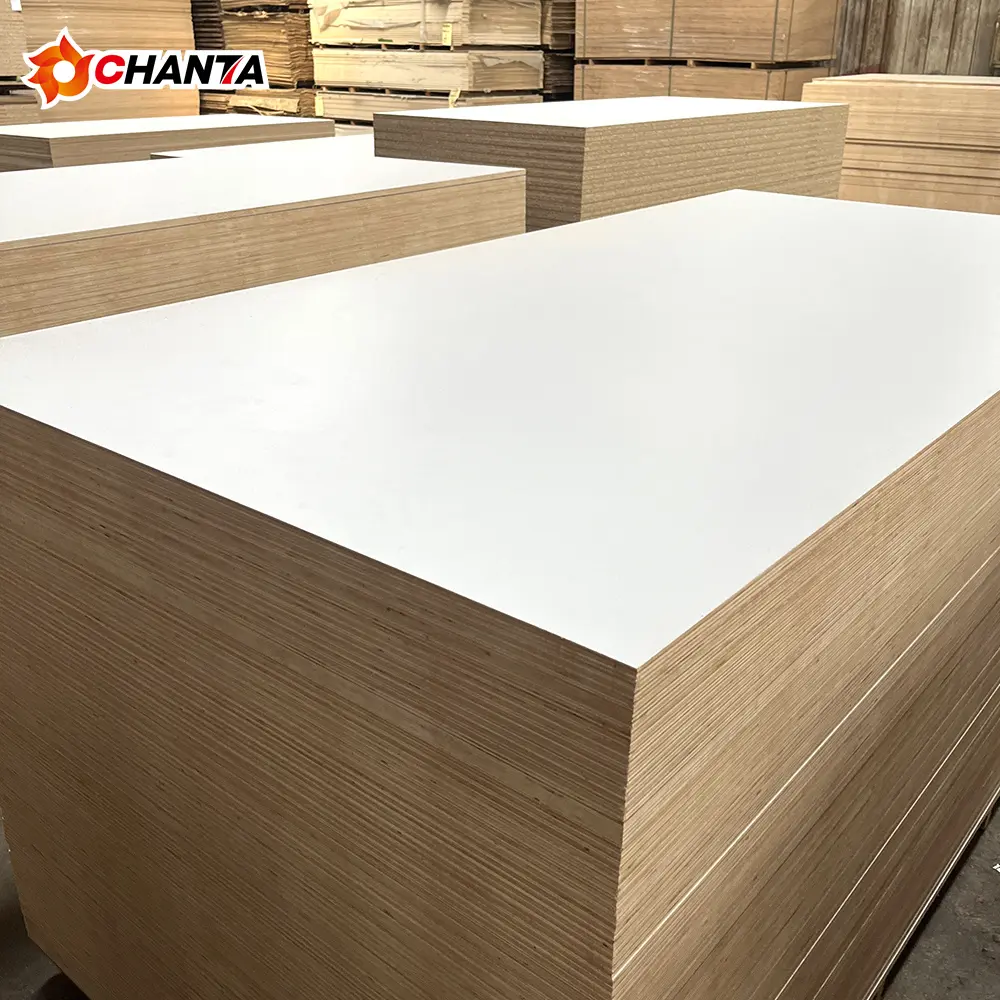
In furniture manufacturing, Vietnam birch plywood performs reliably in many applications traditionally served by Baltic birch. CNC cutting remains clean, panels stay flat, and hardware installation holds securely.
For cabinet bodies, shelving, and furniture frames, most manufacturers see no functional loss after switching. Only niche designs that rely on exposed all-birch edges may require special consideration.
Cost Stability Becomes a Strategic Advantage
Beyond availability, cost predictability matters. Baltic birch plywood prices fluctuate sharply due to supply pressure. Vietnam birch plywood offers more stable pricing because factories operate at scale and manage production planning flexibly.
This stability supports long-term contracts and protects margins.
How Manufacturers Adapt to the Shortage
Manufacturers that adapt successfully follow a structured approach:
- testing alternative birch plywood samples
- validating CNC and finishing performance
- locking specifications early
- diversifying sourcing regions
This strategy reduces dependence on a single origin.
Will the Baltic Birch Shortage End Soon?
Most industry observers expect supply pressure to continue in the near term. Structural factors, not short-term disruptions, drive the shortage. Buyers who wait for a full return to past conditions may face ongoing uncertainty.
As a result, many companies treat Vietnam birch plywood not as a temporary fix, but as a long-term sourcing solution.
Final Thoughts
The Baltic birch plywood shortage highlights a broader shift in global sourcing. Limited supply, rising costs, and uncertainty force buyers to rethink traditional materials.
Vietnam birch plywood stands out because it offers consistent performance, reliable supply, and cost stability. For furniture manufacturers and bulk buyers, adapting to this change is not just practical—it is necessary for long-term resilience.







2 Comments