
Table of contents
- Why Furniture Manufacturers Are Moving Away from Baltic Birch
- What a True Baltic Birch Substitute Must Deliver
- Why Vietnam Birch Plywood Is the Best Substitute
- Performance in Real Furniture Applications
- Cost Control and Production Planning Benefits
- Supply Chain Reliability Matters More Than Origin
- When Baltic Birch Still Makes Sense
- How Furniture Factories Transition Successfully
- Final Thoughts
For years, Baltic birch plywood has been the default choice for furniture manufacturing. Its strength, clean layers, and predictable performance made it a favorite for cabinets, shelving, and CNC-cut furniture. Today, however, many furniture manufacturers are actively searching for the best substitute for Baltic birch.
Rising costs, supply uncertainty, and longer lead times have changed how factories think about sourcing. The key question is no longer whether a substitute exists, but which alternative can realistically support modern furniture production without sacrificing consistency.
Why Furniture Manufacturers Are Moving Away from Baltic Birch
Baltic birch plywood earned its reputation when supply was stable and pricing predictable. That situation has changed. Furniture factories now face challenges that directly affect production planning.
- irregular availability of Baltic birch panels
- sharp and unpredictable price increases
- longer lead times that disrupt schedules
- higher risk for long-term contracts
For manufacturers running continuous production lines, these risks outweigh brand familiarity. Stability has become more important than tradition.
What a True Baltic Birch Substitute Must Deliver
Not every birch plywood qualifies as a real replacement. Furniture manufacturing places specific demands on panel materials. A true substitute must perform reliably in daily production.
Key requirements include:
- consistent thickness and flatness
- strong screw-holding capacity
- clean CNC cutting and edge quality
- stable bonding between layers
- repeatable quality across shipments
If a panel fails in any of these areas, it quickly increases waste, rework, and production downtime.
Why Vietnam Birch Plywood Is the Best Substitute
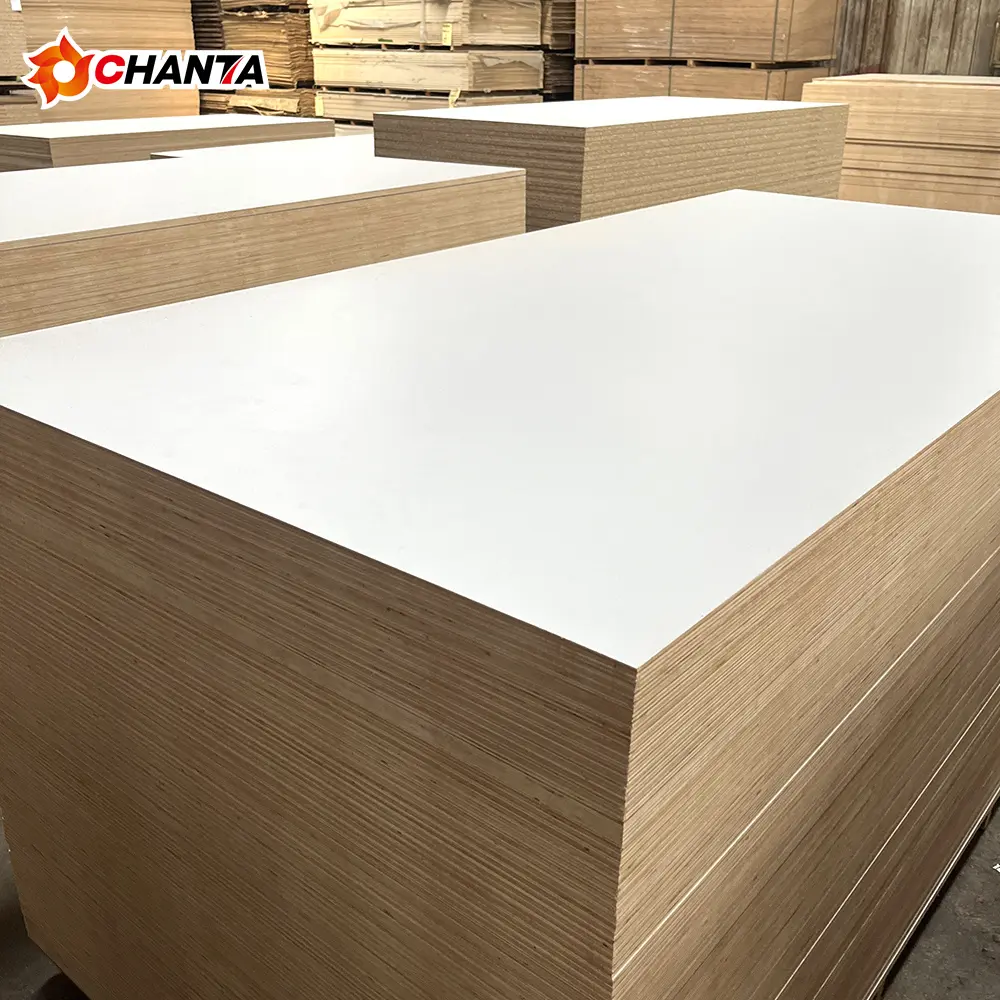
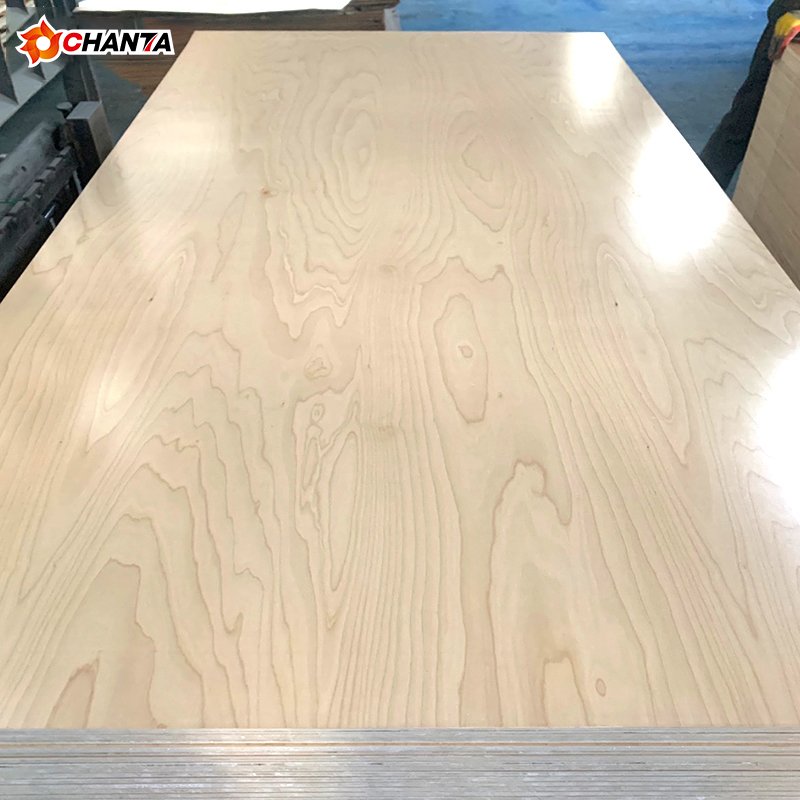
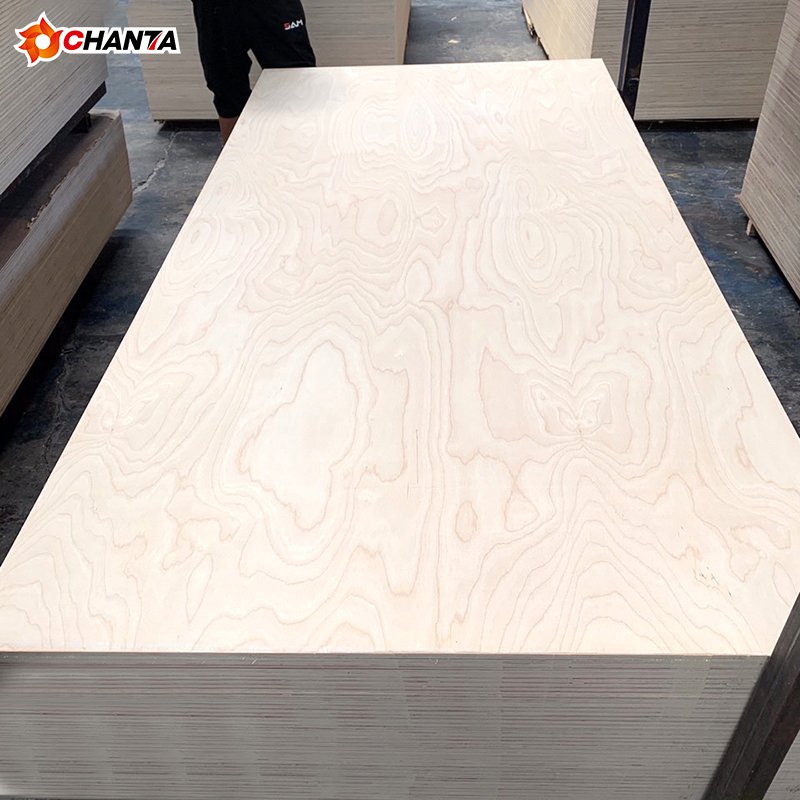
Vietnam birch plywood has emerged as the most practical substitute for Baltic birch in furniture manufacturing. Instead of copying the old model, Vietnam factories focused on production efficiency, quality control, and export consistency.
From a furniture factory perspective, Vietnam birch plywood offers:
- stable bulk supply for continuous production
- balanced strength suitable for furniture structures
- uniform surface quality for finishing and lamination
- predictable CNC and machining behavior
These factors allow factories to maintain output without constant material adjustment.
Performance in Real Furniture Applications
In cabinet bodies, shelving units, desks, and modular furniture, Vietnam birch plywood performs reliably. Panels remain flat during cutting and assembly, and hardware installation stays secure over time.
Many manufacturers report that once specifications are locked, production runs smoothly with minimal differences compared to Baltic birch. For most furniture designs, functional performance matches expectations.
Cost Control and Production Planning Benefits
Furniture manufacturing depends on cost predictability. Vietnam birch plywood supports better planning because factories operate at scale and manage production schedules flexibly.
This structure provides:
- more stable long-term pricing
- support for bulk and repeat orders
- reduced exposure to sudden shortages
For manufacturers working on fixed-price contracts, these advantages directly protect margins.
Supply Chain Reliability Matters More Than Origin
Modern furniture manufacturing prioritizes supply reliability over geographic reputation. Vietnam offers strong export infrastructure, experienced logistics handling, and clear documentation for international markets.
This reliability allows manufacturers to focus on production rather than constantly managing material risk.
When Baltic Birch Still Makes Sense
Baltic birch plywood still fits niche applications where exposed all-birch edges play a central design role. Premium furniture with visible layered edges may continue to favor traditional Baltic panels.
For the majority of furniture manufacturing, however, Vietnam birch plywood meets performance needs while offering better supply stability.
How Furniture Factories Transition Successfully
Factories that transition smoothly usually follow a structured approach:
- test samples from multiple batches
- validate CNC cutting and finishing
- lock specifications before mass production
- build long-term supplier relationships
This process minimizes disruption and ensures consistent output.
Final Thoughts
The best substitute for Baltic birch in furniture manufacturing is not defined by tradition, but by performance, stability, and scalability. Vietnam birch plywood has proven itself as a dependable alternative that supports modern furniture production without unnecessary risk.
For manufacturers seeking consistent quality, reliable supply, and long-term cost control, Vietnam birch plywood represents a practical and forward-looking choice.






1 Comment