
Table of contents
- Why Buyers Are Looking for an Alternative to Baltic Birch Plywood
- What Really Matters in a Baltic Birch Plywood Alternative
- Why Vietnam Birch Plywood Has Become the Leading Alternative
- Performance Comparison in Real Applications
- Cost and Pricing Stability
- Supply Chain and Risk Management
- Is Vietnam Birch Plywood Right for Every Application?
- How Buyers Transition Successfully
- Final Thoughts
For many years, Baltic birch plywood set the benchmark for quality plywood in furniture manufacturing and interior applications. However, rising costs, supply instability, and trade restrictions have pushed buyers to actively search for a reliable alternative to Baltic birch plywood. Today, the question is no longer whether alternatives exist, but which option delivers similar performance without the same risks.
This article explains why buyers are moving away from traditional Baltic birch sourcing, what qualities truly matter in a substitute, and why Vietnam birch plywood has become the most practical alternative in the current global market.
Why Buyers Are Looking for an Alternative to Baltic Birch Plywood
Baltic birch plywood earned its reputation through consistent quality and dense all-birch construction. However, market conditions have changed. Many buyers now face challenges that did not exist a decade ago.
The main drivers behind the shift include:
- limited and unpredictable supply
- significant price increases
- longer lead times
- trade and compliance concerns
For bulk buyers and manufacturers, these issues create risk. Production planning becomes harder, and cost control weakens. As a result, sourcing strategies now prioritize stability and scalability over tradition.
What Really Matters in a Baltic Birch Plywood Alternative
Not every plywood labeled as “birch” works as a true substitute. Buyers who successfully transition away from Baltic birch focus on performance rather than origin alone.
Key criteria include:
- consistent thickness and flatness
- strong bonding between layers
- reliable screw-holding capacity
- predictable CNC machining behavior
- stable supply for repeat orders
When these fundamentals align, a panel can replace Baltic birch in most furniture and interior applications.
Why Vietnam Birch Plywood Has Become the Leading Alternative
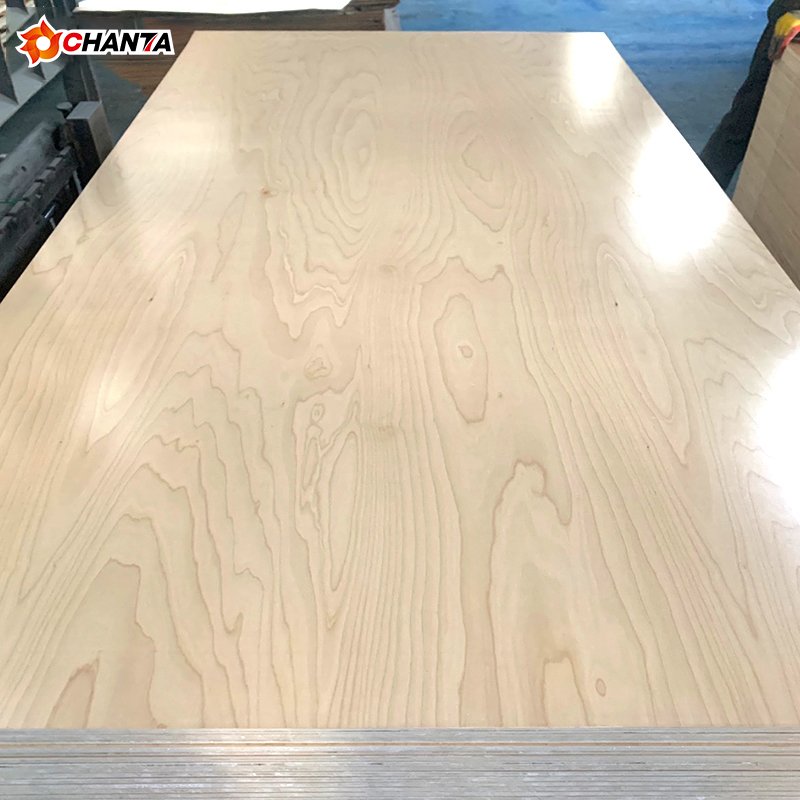
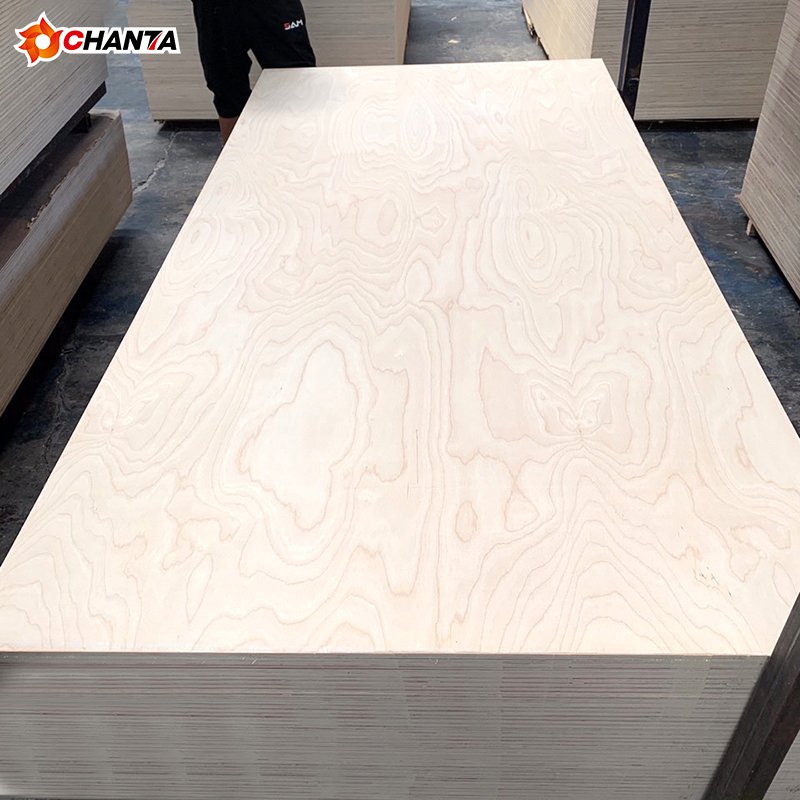
Vietnam birch plywood has gained attention because it addresses the main weaknesses buyers experience with Baltic sourcing. Vietnam factories combine birch face veneers with carefully controlled core structures to deliver stable, repeatable panels.
From a buyer’s perspective, Vietnam birch plywood offers:
- more predictable availability
- competitive factory pricing
- export-oriented production experience
- clear documentation for EU and US markets
These factors matter more than historical reputation when managing large-scale or long-term supply.
Performance Comparison in Real Applications
In furniture manufacturing, Vietnam birch plywood performs well in areas traditionally dominated by Baltic birch. CNC cutting remains clean, edge quality stays consistent, and panels maintain flatness during assembly.
For cabinet bodies, shelving, and furniture frames, most manufacturers report no functional disadvantage after switching. In many cases, the only noticeable difference appears in exposed-edge aesthetics, which designers can easily address through finishing or edging.
Cost and Pricing Stability
One of the strongest reasons buyers choose Vietnam birch plywood lies in cost control. While Baltic birch prices often fluctuate due to limited supply, Vietnam factories operate at scale and plan production more flexibly.
This structure allows:
- more stable long-term pricing
- better cost forecasting
- stronger support for bulk orders
For manufacturers working on fixed-price contracts, this stability protects margins.
Supply Chain and Risk Management
Modern sourcing strategies focus on risk reduction. Vietnam offers diversified logistics routes, established export infrastructure, and experienced compliance handling. Buyers gain confidence knowing that production and shipment schedules remain dependable.
Instead of reacting to shortages, buyers who adopt Vietnam birch plywood plan supply proactively.
Is Vietnam Birch Plywood Right for Every Application?
Vietnam birch plywood suits most interior and furniture applications. However, projects that demand a traditional all-birch core with exposed edges for premium visual impact may still favor Baltic birch.
For the majority of commercial furniture, cabinetry, and CNC-cut components, Vietnam birch plywood meets performance expectations while improving supply reliability.
How Buyers Transition Successfully
Buyers who transition smoothly usually follow a simple process:
- test samples across multiple batches
- lock specifications early
- validate machining and finishing performance
- build long-term factory relationships
This approach minimizes disruption and ensures consistent output.
Final Thoughts
The search for an alternative to Baltic birch plywood reflects broader changes in global sourcing. Vietnam birch plywood has emerged as the most practical substitute because it balances performance, availability, and cost.
For buyers focused on consistency, scalability, and long-term supply security, Vietnam birch plywood is no longer just an alternative—it has become a strategic choice.






2 Comments