
Table of contents
- Why Furniture Makers Choose Birch Plywood
- Strength and Load-Bearing Performance
- Screw Holding and Joinery Reliability
- Surface Quality and Finishing Flexibility
- CNC Cutting and Modern Furniture Design
- Consistency Matters More Than Appearance in Mass Production
- Limitations Furniture Makers Should Consider
- Typical Furniture Applications for Birch Plywood
- Birch Plywood vs Other Furniture Materials
- Final Thoughts
When choosing materials for furniture production, manufacturers often ask a simple but important question: Is birch plywood good for furniture making? The short answer is yes—but with context. Birch plywood has become a core material in modern furniture manufacturing, especially for cabinets, shelves, tables, and CNC-cut designs. Its popularity comes from performance, consistency, and efficiency rather than appearance alone.
This article explains why birch plywood works so well for furniture, where its limits are, and how manufacturers decide when it is the right material for the job.
Why Furniture Makers Choose Birch Plywood
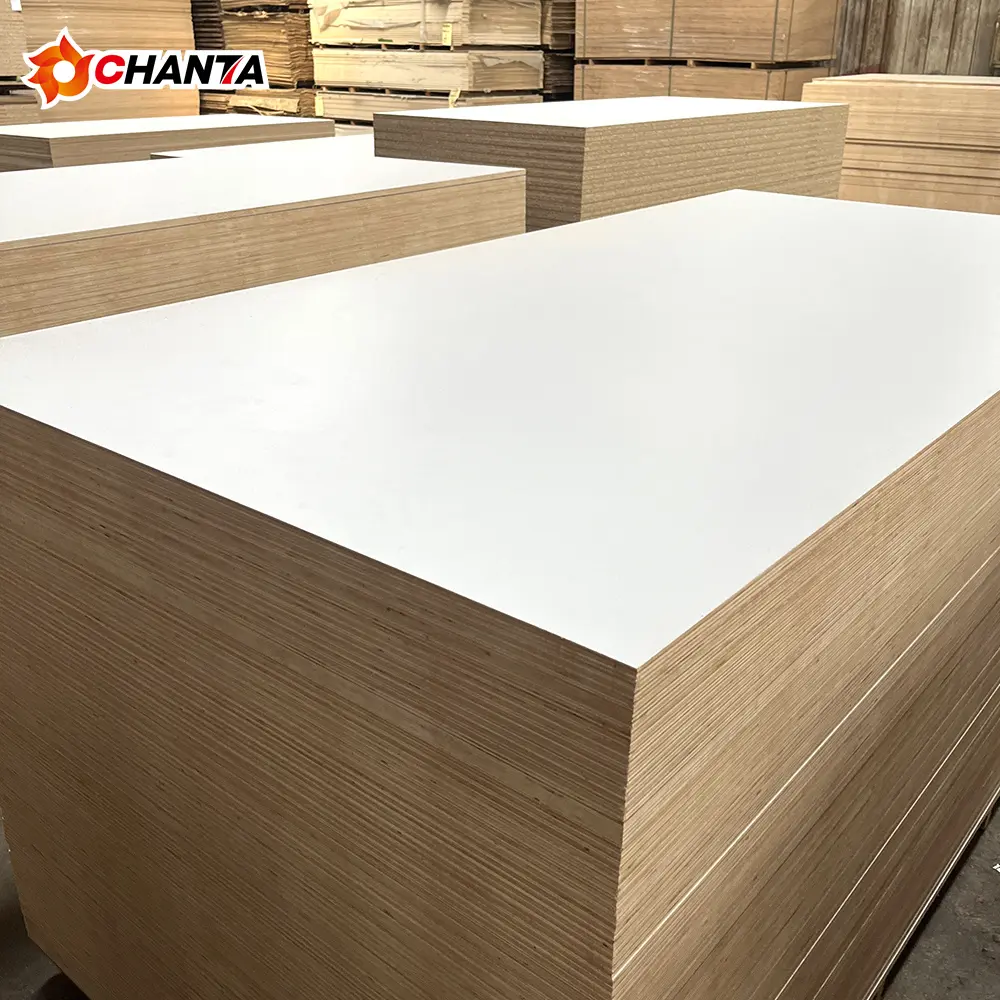
Furniture production demands materials that behave predictably. Birch plywood meets this requirement better than many alternatives. Its layered birch veneer structure creates a panel that stays flat, holds fasteners well, and performs consistently during cutting and assembly.
Key reasons furniture factories rely on birch plywood include:
- stable dimensional performance
- high strength-to-thickness ratio
- uniform surface quality
- excellent machinability
These qualities reduce production errors and help maintain consistent product quality across large manufacturing runs.
Strength and Load-Bearing Performance
Birch plywood offers higher density than many mixed hardwood or softwood panels. This density translates into strong load-bearing performance, which matters for shelves, cabinet bodies, drawer systems, and table structures.
Furniture makers value birch plywood because it resists sagging over time. Proper thickness selection allows manufacturers to design slimmer components without sacrificing strength, which improves both aesthetics and material efficiency.
Screw Holding and Joinery Reliability
Furniture assembly depends heavily on fasteners, hinges, and connectors. Birch plywood holds screws securely due to its dense veneer layers and strong internal bonding. This feature improves joint stability and long-term durability.
Compared with particle board or lower-density plywood, birch plywood reduces the risk of stripped screws or loose fittings. For furniture that requires repeated assembly or long service life, this advantage becomes significant.
Surface Quality and Finishing Flexibility
Birch plywood provides a smooth, even surface that accepts various finishes. Furniture manufacturers often use it for:
- painted furniture
- laminated panels
- veneered surfaces
- clear-coated modern designs
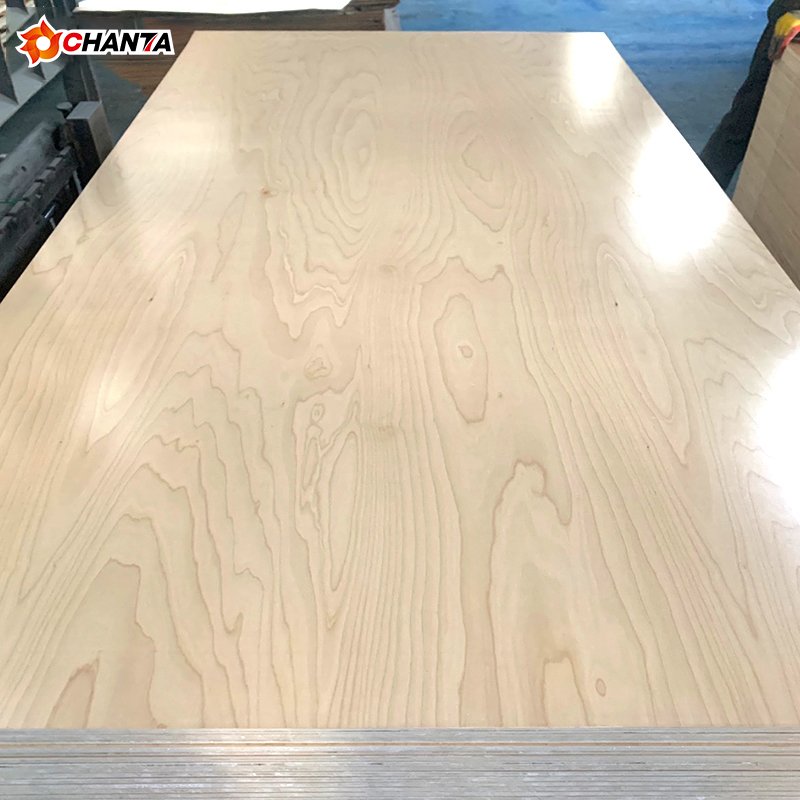
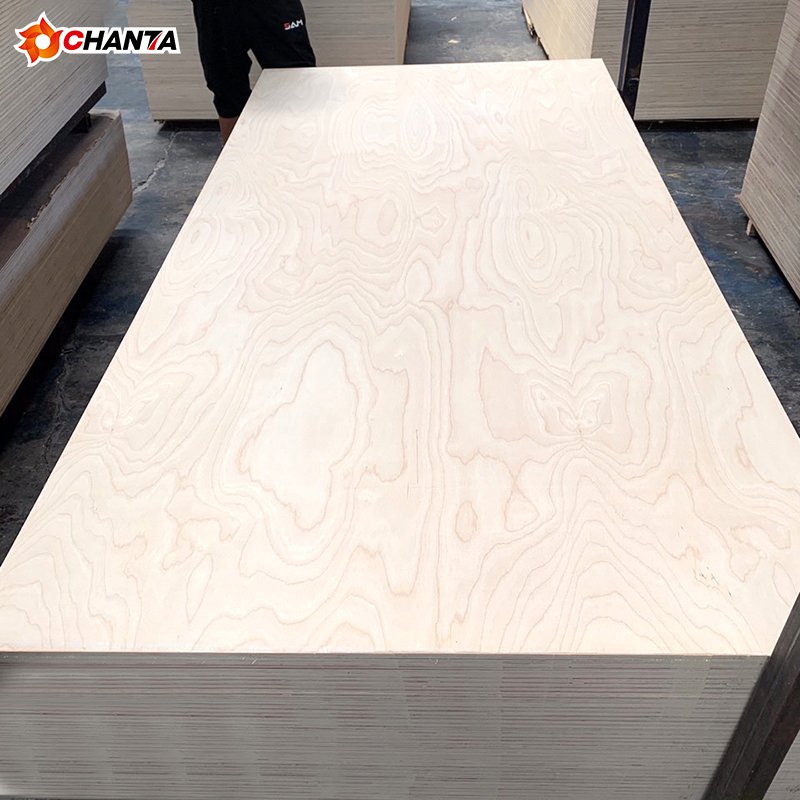
The fine grain pattern of birch creates a clean look that works well in contemporary furniture styles. Even when the surface remains hidden, consistent veneer quality helps downstream finishing processes run smoothly.
CNC Cutting and Modern Furniture Design
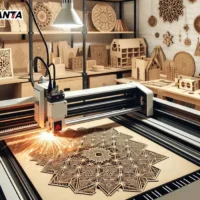
Modern furniture production relies heavily on CNC machinery. Birch plywood performs exceptionally well in CNC cutting because it produces clean edges and minimal tear-out. Designers often leave edges exposed as a design feature, which works particularly well with birch plywood’s uniform layers.
Predictable machining behavior also helps factories maintain tight tolerances and reduce tool wear variation across batches.
Consistency Matters More Than Appearance in Mass Production
In furniture manufacturing, consistency often matters more than visual perfection. Birch plywood delivers repeatable results from sheet to sheet, which simplifies quality control and assembly line setup.
Factories prefer materials that reduce surprises. Birch plywood’s controlled production standards help ensure panels behave the same way during cutting, drilling, and assembly, even across large orders.
Limitations Furniture Makers Should Consider
While birch plywood works well for furniture, it does have limitations. Understanding these helps manufacturers avoid misuse.
- Cost: Birch plywood costs more than particle board or mixed hardwood plywood.
- Weight: Its higher density increases panel weight.
- Moisture sensitivity: Untreated birch plywood suits interior use better than humid or outdoor environments.
For furniture used in dry, controlled environments, these limitations rarely cause problems. For outdoor or high-moisture furniture, other materials may perform better.
Typical Furniture Applications for Birch Plywood
Birch plywood commonly appears in:
- cabinet carcasses
- shelving units
- tables and desks
- drawer boxes
- commercial and office furniture
These applications benefit directly from birch plywood’s strength, flatness, and machinability.
Birch Plywood vs Other Furniture Materials
Compared with MDF, birch plywood offers better strength and screw holding. Compared with particle board, it provides longer service life and greater structural reliability. While solid wood delivers natural beauty, birch plywood offers better dimensional stability and efficiency for mass production.
For many manufacturers, birch plywood represents a balanced solution between performance, efficiency, and cost control.
Final Thoughts
Birch plywood is a strong choice for furniture making because it combines strength, consistency, and machining reliability. It supports modern production methods and helps manufacturers deliver durable, high-quality furniture at scale.
While it may not fit every application, birch plywood remains one of the most trusted panel materials for furniture manufacturing when performance and repeatability matter more than lowest cost.







1 Comment