
Table of contents
Birch plywood has earned a strong reputation in furniture manufacturing, cabinetry, and interior projects. Many buyers consider it a premium material, but no plywood suits every situation. To make the right decision, it helps to understand both the advantages and disadvantages of birch plywood in real-world use.
This article breaks down the strengths and limitations of birch plywood in a simple, buyer-focused way. Instead of marketing language, the goal here is clarity—what birch plywood does well, where it falls short, and when it truly makes sense.
What Makes Birch Plywood Different
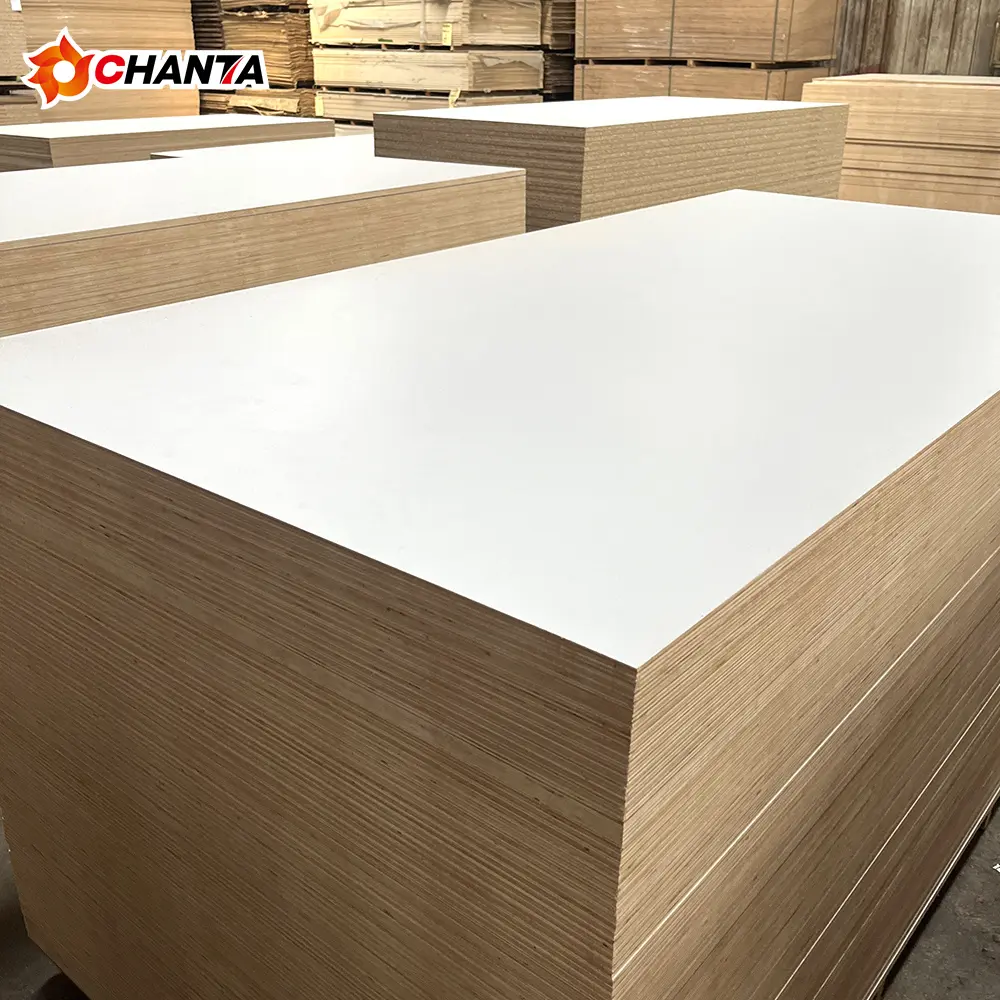
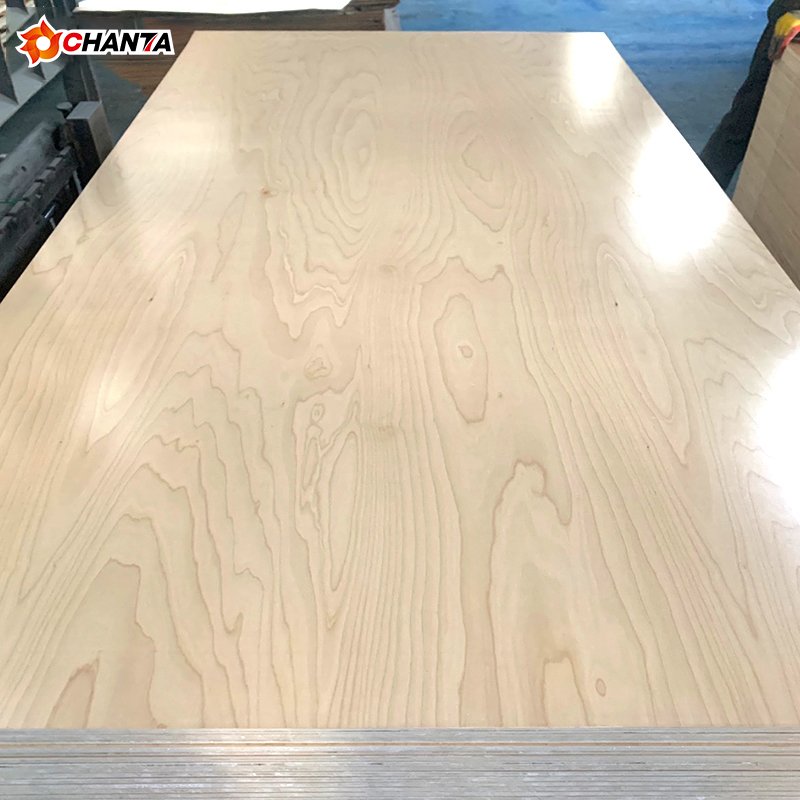
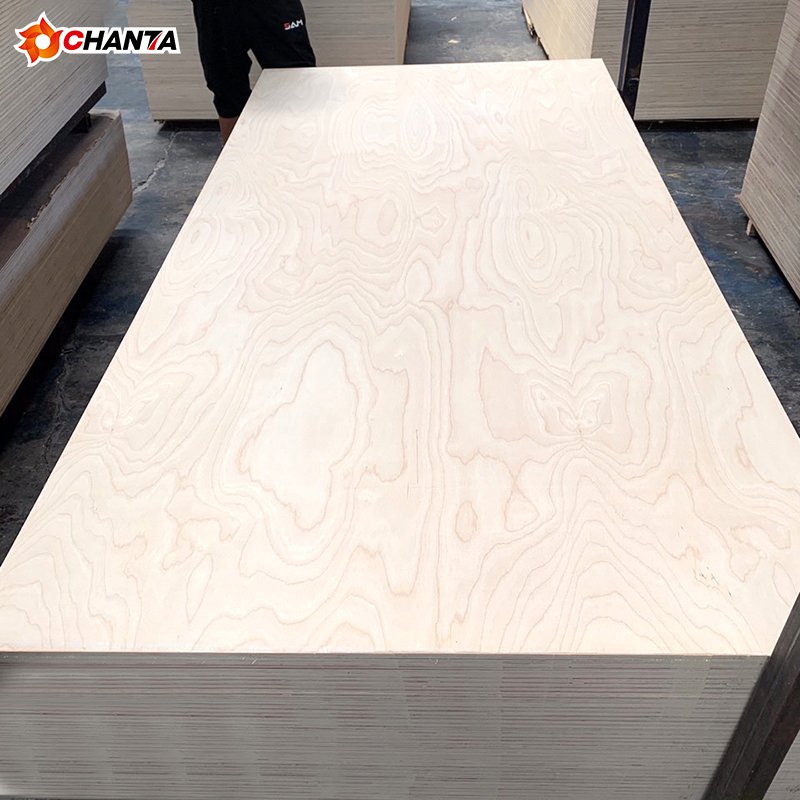
Birch plywood uses birch veneers on the face and often throughout the core. Birch is a dense hardwood with a fine, even grain. Manufacturers choose it because it delivers predictable strength and consistent performance across large production runs.
Because of this structure, birch plywood behaves differently from mixed hardwood plywood or softwood panels. That difference explains both its advantages and its disadvantages.
Main Advantages of Birch Plywood
1. High Strength and Load Capacity
Birch plywood offers excellent strength relative to its thickness. The dense birch veneers create strong bonding between layers, which helps panels resist bending and cracking. This strength makes birch plywood a reliable option for shelves, cabinets, furniture frames, and load-bearing components.
2. Consistent Quality and Predictable Performance
Consistency stands out as one of the biggest advantages of birch plywood. Sheets behave similarly from batch to batch, which matters for factories using CNC machines or automated production lines. Predictable performance reduces waste, rework, and setup time.
3. Excellent Screw Holding
Birch plywood holds screws very well due to its density and layered structure. Furniture makers rely on this feature for joints, hinges, and hardware installation. Strong screw holding improves durability over the product’s lifespan.
4. Smooth Surface for Finishing
Birch plywood provides a smooth, uniform surface that accepts paint, laminate, veneer, and clear finishes easily. The clean grain pattern also works well for modern interior designs where subtle wood texture is preferred.
5. Clean Edges for CNC and Exposed Designs
The even veneer layers in birch plywood create clean edges when cut. Designers often leave edges exposed because they look neat and structured. This quality makes birch plywood popular in CNC-cut furniture and minimalist designs.
6. Wide Range of Grades and Thicknesses
Birch plywood is available in multiple face grades and thickness options. This range allows buyers to balance appearance, performance, and cost depending on the application. High-grade panels suit visible surfaces, while lower grades work well for hidden structures.
Disadvantages of Birch Plywood
1. Higher Cost Compared to Mixed Hardwood Plywood
Birch plywood usually costs more than general hardwood plywood. Buyers pay for consistency, strength, and surface quality. For projects where appearance and precision do not matter, this higher cost may not deliver enough added value.
2. Limited Moisture Resistance Without Treatment
Standard birch plywood does not resist moisture as well as marine plywood or waterproof panels. Without sealing or protective finishes, prolonged exposure to humidity can lead to swelling or delamination. This limitation makes birch plywood better suited for interior use unless properly treated.
3. Heavier Weight
Birch plywood weighs more than poplar or softwood plywood due to its density. The added weight improves strength but can increase handling and transportation costs, especially for large panels or bulk shipments.
4. Appearance Sensitivity in Lower Grades
Lower-grade birch plywood allows visible patches, repairs, and color variation. If buyers expect a clean surface but choose the wrong grade, the visual result may disappoint. Proper grade selection matters more with birch plywood than with decorative hardwood veneers.
5. Not Ideal for Outdoor or Marine Use
Birch plywood is not designed for long-term outdoor exposure. Even with coating, it does not match the durability of marine plywood or exterior-grade panels in harsh environments. Using birch plywood outdoors often leads to reduced lifespan.
Advantages vs Disadvantages at a Glance
| Aspect | Advantage | Limitation |
|---|---|---|
| Strength | High load capacity | Heavier than softwood plywood |
| Consistency | Reliable batch-to-batch performance | Higher production cost |
| Surface Quality | Smooth and uniform | Lower grades show visible repairs |
| Machining | Clean CNC edges | Tool wear slightly higher due to density |
| Moisture Resistance | Good for dry interiors | Needs sealing for humid conditions |
When Birch Plywood Makes the Most Sense
Birch plywood works best when projects demand precision, strength, and consistent quality. Furniture manufacturing, cabinets, shelving systems, and interior commercial projects benefit the most from its advantages.
For applications where cost matters more than performance or where panels remain hidden, mixed hardwood plywood or alternative materials may offer better value.
Final Thoughts
Birch plywood offers a strong combination of durability, consistency, and finish quality, which explains its popularity in professional manufacturing. At the same time, it carries higher cost, greater weight, and moisture limitations that buyers should not ignore.
Understanding both the advantages and disadvantages helps buyers choose birch plywood where it truly performs best, rather than using it by default. When matched correctly to the application, birch plywood remains one of the most reliable panel materials available.








1 Comment